

Shopping cart

Subtotal $0.00

View cartCheckout

Latest News

shape_2 1 1

SOLAS Fire Safety Requirements Every Ship Owner Should Know

If you own or operate a vessel, you’ve almost certainly heard of SOLAS, the Safety of Life at Sea convention. It’s one of the most important international treaties governing maritime safety, and its fire safety requirements make up a significant part of the wider marine safety
FM-200 vs Novec 1230: Which Fire Suppression System Is Better for Marine Applications?

If you’ve been researching marine fire suppression UAE options for your vessel, you’ve probably come across the FM200 fire suppression system and Novec 1230 fire suppression more than once. Both are clean agent systems, both are widely used in marine environments, and both do a genuinely

7 Signs Your Vessel’s Fire Detection System Needs Immediate Servicing

A marine fire detection system is a bit like a smoke alarm at home, except the stakes are much higher when you’re out on open water. It’s easy to forget about it when everything seems fine. But small warning signs often show up long before a

Why Marine Fire Suppression System Failure Can Cost Vessel Owners Millions

A marine fire suppression system is supposed to activate the moment a fire starts, containing it before it spreads. But that only happens if the system is actually working. In many cases, the agent has leaked out over time, or a valve wasn’t reset properly after

Top Reasons Gas Detection Systems Fail During Safety Audits

Safety audits play an essential role in the marine industry. They help ensure that vessels, offshore facilities, and maritime operations meet regulatory requirements while maintaining a safe working environment for crew members. One area that often receives close attention during inspections is the gas detection system.

Fixed vs Portable Gas Detectors: Which One Does Your Vessel Need?

Gas detection plays a critical role in marine safety. Whether operating a cargo vessel, offshore support vessel, tanker, or drilling platform, identifying hazardous gases before they become a threat is essential for protecting crew members and ensuring regulatory compliance. When selecting a gas detection system, one

How Often Should Marine Gas Detectors Be Calibrated?

Gas detectors play a critical role in marine safety. Whether installed on cargo vessels, offshore platforms, tankers, or support ships, these devices help identify hazardous gases before they become a threat to crew members and operations. However, even the most advanced gas detector is only effective

H2S Gas Exposure in Marine Operations: Risks, Symptoms and Prevention

Hydrogen sulfide (H2S) is one of the most dangerous gases encountered in marine and offshore environments. Despite being invisible and often difficult to detect without proper equipment, it can pose serious risks to crew members, vessels, and operations. Whether you’re working on cargo ships, offshore platforms,

Annual Fire Safety Inspection Checklist for Marine and Commercial Properties

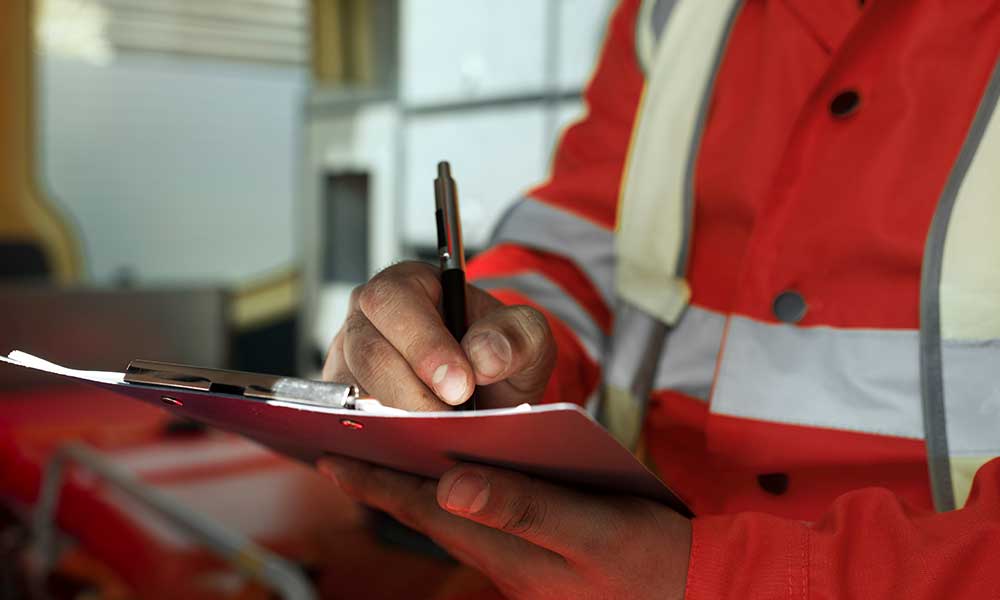
Regular fire safety inspections are essential for maintaining compliance, protecting assets, and ensuring emergency preparedness in both marine and commercial environments. Fire protection systems such as smoke detectors, fire alarms, suppression systems, and extinguishers require routine evaluation to remain effective. At Safety Link Marine, we provide

Complete Fire Protection Solutions for Marine and Industrial Facilities

Complete Fire Protection Solutions for Marine and Industrial Facilities Fire safety is a critical requirement for marine vessels, offshore operations, warehouses, factories, and commercial facilities where equipment, personnel, and business continuity are constantly at risk. A comprehensive fire protection strategy goes beyond basic extinguishers and includes

Chat on WhatsApp