Subtotal $0.00


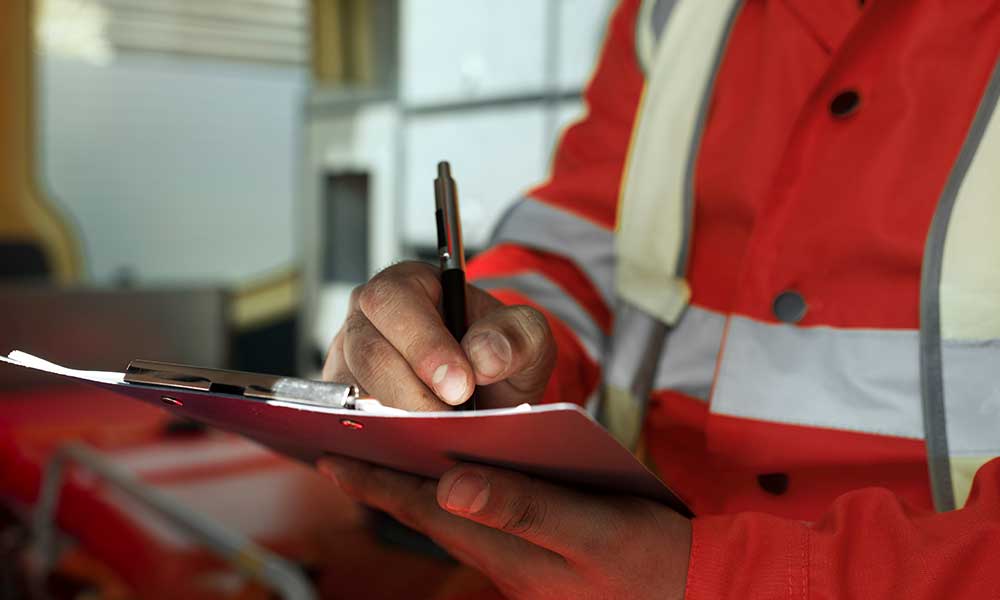
Regular fire safety inspections are essential for maintaining compliance, protecting assets, and ensuring emergency preparedness in both marine and commercial environments. Fire protection systems such as smoke detectors, fire alarms, suppression systems, and extinguishers require routine evaluation to remain effective. At Safety Link Marine, we provide professional fire safety services across the UAE, helping organizations maintain reliable fire and smoke alarm UAE systems, inspect marine fire extinguisher UAE equipment, and verify the performance of every fire alarm smoke detector UAE installation. This annual fire safety inspection checklist highlights the key areas that property owners and vessel operators should review to improve safety and reduce fire-related risks throughout the year.
Fire safety is not something that can be addressed once and forgotten. Whether it’s a commercial building, warehouse, industrial facility, hotel, marine vessel, or offshore support boat, fire protection systems require regular inspection and maintenance to ensure they remain effective.
Many organizations invest in fire extinguishers, smoke detectors, alarm systems, and fire suppression equipment, but these systems can only provide protection if they are functioning correctly when an emergency occurs.
Unfortunately, problems such as expired extinguishers, faulty smoke detectors, damaged alarm systems, or neglected maintenance often go unnoticed until an inspection reveals them—or worse, until an actual fire emergency occurs.
This is why annual fire safety inspections are so important.
A structured inspection helps identify potential issues, maintain compliance with safety regulations, and ensure that fire protection systems are ready when needed most.
In this guide, we’ll walk through a practical annual fire safety inspection checklist for marine and commercial properties and explain why each area deserves attention.
Why Annual Fire Safety Inspections Matter
Many fire safety systems operate silently in the background for months or even years.
Because they are rarely used during normal operations, it’s easy to assume everything is working properly.
However, over time:
- Components may wear out
- Batteries may fail
- Sensors may become contaminated
- Equipment may expire
- Documentation may become outdated
Regular inspections help uncover these issues before they create safety risks.
An annual inspection also helps:
- Improve workplace safety
- Support regulatory compliance
- Reduce fire-related risks
- Protect assets and equipment
- Increase occupant confidence
For marine operators, inspections are particularly important because emergency assistance may not be immediately available while at sea.
1. Inspect Fire Extinguishers
Fire extinguishers are often the first line of defense against small fires.
During an annual inspection, verify:
- Extinguishers are located in designated areas
- Access to extinguishers is unobstructed
- Pressure gauges are within the recommended range
- Safety pins and seals remain intact
- Inspection tags are current
- No visible damage or corrosion is present
For marine vessels, special attention should be given to extinguishers installed in:
- Engine rooms
- Machinery spaces
- Galley areas
- Electrical rooms
An expired or damaged extinguisher may not function correctly during an emergency.
2. Test Smoke Detectors
Smoke detectors provide early warning when smoke is present.
Even the best fire suppression system depends on early detection to respond effectively.
During inspection:
- Test each detector
- Check battery status where applicable
- Clean dust and debris from sensors
- Verify proper communication with alarm systems
- Replace defective units
In commercial buildings, smoke detectors should be tested in:
- Offices
- Corridors
- Storage rooms
- Electrical areas
- Common spaces
For marine properties, detectors should also be inspected in accommodation spaces and control rooms.
3. Verify Fire Alarm System Performance
A fire alarm system serves as the communication hub during a fire emergency.
The annual inspection should include:
- Alarm activation testing
- Control panel verification
- Visual alarm inspection
- Audible alarm testing
- Battery backup checks
- Communication system verification
Every occupant must be able to receive clear notification if an emergency occurs.
Faulty alarm systems can delay evacuation and increase risk.
4. Review Fire Suppression Systems
Automatic fire suppression systems play a critical role in protecting high-risk areas.
Depending on the property, systems may include:
- Novec 1230 suppression systems
- Water mist systems
- Foam suppression systems
- Gas-based suppression systems
- Automatic extinguishing systems
Inspection should verify:
- System pressure levels
- Agent quantities
- Nozzle condition
- Cylinder integrity
- Activation controls
- Monitoring systems
Any deficiencies should be addressed immediately by qualified technicians.
5. Inspect Emergency Exit Routes
Even if fire protection systems perform correctly, occupants still need safe evacuation routes.
During inspection:
- Ensure exits are clearly marked
- Verify emergency lighting functions properly
- Check that pathways remain unobstructed
- Confirm doors open correctly
- Review evacuation maps and signage
In marine environments, emergency escape routes should be evaluated carefully due to limited evacuation options.
6. Check Electrical Systems
Electrical faults remain one of the most common causes of fires.
Annual inspections should include:
- Visual examination of wiring
- Inspection of switchboards
- Evaluation of overloaded circuits
- Review of electrical panels
- Identification of damaged cables
Look for warning signs such as:
- Burn marks
- Unusual odors
- Excessive heat
- Damaged insulation
Addressing electrical issues early can significantly reduce fire risk.
7. Evaluate Fire Safety Signage
Safety signage plays an important role during emergencies.
Verify that signs remain:
- Visible
- Legible
- Properly positioned
- Illuminated where necessary
Important signage includes:
- Fire extinguisher locations
- Emergency exits
- Fire alarm call points
- Assembly points
- Emergency procedures
Missing or damaged signs should be replaced promptly.
8. Review Maintenance Records
Documentation is often overlooked during inspections.
However, maintenance records help demonstrate compliance and identify recurring issues.
Review:
- Fire extinguisher service reports
- Alarm testing records
- Suppression system inspections
- Smoke detector maintenance logs
- Previous audit findings
Accurate documentation supports regulatory inspections and helps track system performance over time.
9. Conduct Staff Safety Awareness Checks
Even advanced fire protection systems depend on people knowing how to respond.
During annual reviews, assess whether personnel understand:
- Emergency evacuation procedures
- Fire extinguisher usage
- Alarm response protocols
- Assembly point locations
- Emergency contact procedures
Refresher training can help improve readiness and confidence.
For marine crews, emergency drills are particularly valuable because response options may be limited while offshore.
10. Assess High-Risk Areas
Certain areas require extra attention because they present greater fire hazards.
Examples include:
Commercial Properties
- Server rooms
- Kitchens
- Electrical rooms
- Storage facilities
Marine Properties
- Engine rooms
- Fuel storage areas
- Machinery spaces
- Electrical control rooms
These areas should receive more detailed inspection and monitoring.
Common Issues Found During Annual Inspections
Many inspections uncover similar problems, including:
- Expired fire extinguishers
- Faulty smoke detectors
- Blocked emergency exits
- Missing safety signs
- Outdated maintenance records
- Damaged alarm components
Identifying these issues early prevents larger problems later.
A Real-World Example
Consider a warehouse that undergoes its annual fire safety inspection.
During the inspection, technicians discover:
- Two smoke detectors are not functioning
- One fire extinguisher is overdue for servicing
- Emergency exit signage is damaged
- A suppression system cylinder requires replacement
None of these issues had been noticed during daily operations.
By correcting them immediately, the facility significantly improves its emergency preparedness and reduces potential fire risks.
Working with Professional Fire Safety Experts
Annual inspections are most effective when conducted by qualified fire safety professionals.
Experienced providers can help:
- Identify hidden risks
- Perform system testing
- Ensure regulatory compliance
- Recommend upgrades
- Maintain accurate documentation
Professional inspections provide greater confidence that all fire protection systems remain ready for use.
Fire safety is an ongoing responsibility, not a one-time task. Regular inspections help ensure that fire extinguishers, smoke detectors, alarm systems, fire suppression equipment, and emergency procedures remain effective throughout the year.
For both marine and commercial properties, annual fire safety inspections provide an opportunity to identify weaknesses before they become serious problems.
By following a structured inspection checklist and addressing issues promptly, property owners and vessel operators can improve safety, maintain compliance, and protect people, assets, and operations from unnecessary fire-related risks.
A well-maintained fire protection system is one of the most valuable investments any organization can make—and annual inspections are the key to keeping that protection reliable.


Comments are closed