Subtotal $0.00


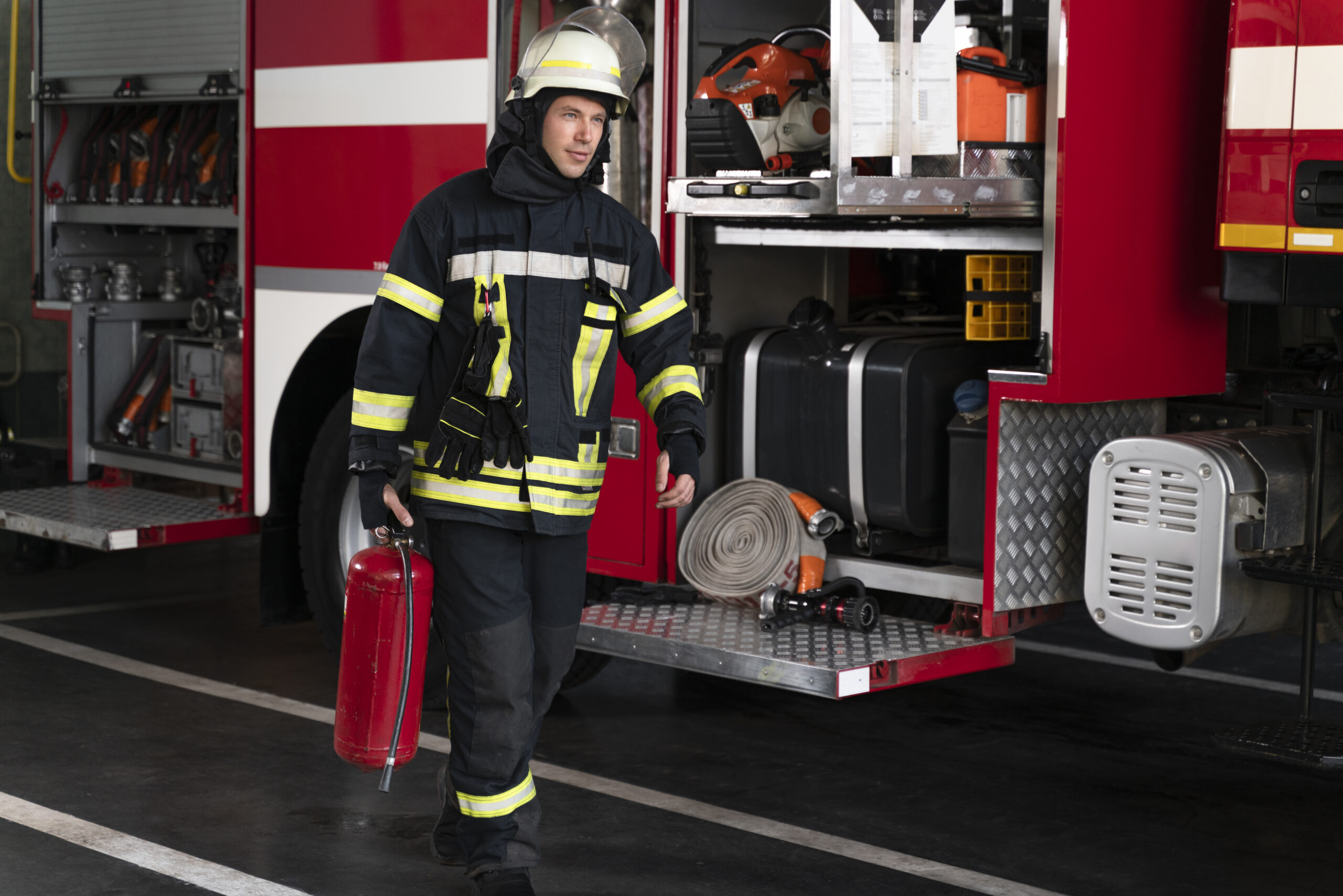
Operating a vessel in the UAE comes with strict safety responsibilities, and fire safety is one of the most critical. Safety Link Marine, a trusted UAE vessel fire safety supplier, provides comprehensive solutions for equipment supply, installation, and servicing to ensure full compliance with maritime regulations. From fire extinguishers and detection systems to clean agent suppression and breathing apparatus, vessel owners and operators can rely on expert guidance and reliable products to protect their crew, cargo, and vessels. This guide highlights essential fire safety measures, inspections, and certifications every UAE vessel needs.
Owning or operating a vessel in the UAE comes with unique responsibilities, and fire safety is at the top of the list. The sea may feel like a wide escape, but a fire onboard can spread quickly, putting lives, cargo, and the vessel itself at risk. The good news is that with the right equipment, proper installation, regular servicing, and up-to-date certifications, vessel owners can meet safety regulations and operate with peace of mind. This guide provides a practical fire safety checklist designed specifically for UAE vessels.
Why Fire Safety Matters at Sea
A vessel at sea is like a floating city, often far from immediate help. Fires can start from something as simple as an electrical fault, a galley accident, or fuel leaks. Unlike on land, you cannot call the fire department and wait they must respond instantly using the tools and training available onboard.
In the UAE, maritime authorities such as the Federal Transport Authority and local port authorities enforce strict fire safety standards. Meeting these requirements is not just about avoiding fines or passing inspections—it is about protecting people, property, and the vessel itself.
Essential Fire Safety Equipment Every Vessel Needs
Think of your vessel as a home or workplace on water. Just like buildings require extinguishers, alarms, and sprinklers, vessels need specialized equipment to handle marine-specific risks. Here’s what should be on your checklist:
-
Fire Extinguishers: Portable units must be placed throughout the vessel, covering engine rooms, cabins, galleys, and deck areas. Different classes (foam, CO₂, dry powder) are required for various fire risks.
-
Fire Detection Systems: Smoke and heat detectors should be installed in enclosed spaces. Early warning is crucial for containing fires before they spread.
-
Fixed Fire Suppression Systems: Engine rooms and fuel storage areas often require clean agent or CO₂ suppression systems that can extinguish flames automatically.
-
Breathing Apparatus: Self-contained breathing apparatus (SCBA) kits are essential for crew members responding to fires in smoke-filled areas.
-
Fire Hoses and Hydrants: Vessels must carry hoses with nozzles compatible with onboard hydrants, ready for immediate use.
-
Fire Blankets: Especially important in galleys to smother small grease or oil fires.
-
Clean Agent Systems: For sensitive spaces like control rooms or server cabinets, clean agents provide suppression without damaging electronics.
-
Safety Signage and Accessories: Clear signs showing equipment locations, muster stations, and escape routes are essential for crew safety.
Inspection and Servicing Frequencies
Having the right equipment is only part of the solution. Regular inspections and servicing ensure that it works when needed. UAE regulations, aligned with International Maritime Organization (IMO) standards, set clear guidelines:
-
Monthly Checks: Crew should perform basic checks on extinguishers, hoses, and alarms to ensure they are accessible and undamaged.
-
Quarterly Inspections: A certified technician should test alarms, detectors, and suppression systems. Extinguishers should be checked for pressure and condition.
-
Annual Servicing: All fire extinguishers, SCBA units, hoses, and fixed suppression systems must be fully serviced by an approved supplier, including refilling, re-pressurizing, and verifying functionality.
-
Hydrostatic Testing: Every five years, extinguishers and SCBA cylinders must undergo pressure testing to ensure they can withstand emergency use.
Skipping inspections or servicing can lead to failed audits, denied port entry, or, worse, equipment failure during an actual fire.
Certification Requirements in the UAE
Documentation is as important as equipment. UAE maritime authorities require vessels to carry valid certificates proving compliance with fire safety regulations. Certificates are usually issued by approved suppliers after inspection and servicing.
Key certifications include:
-
Fire Extinguisher Certificates: Confirming each unit has been inspected and serviced.
-
Fixed System Certification: For CO₂, foam, or clean agent systems, showing they meet operational standards.
-
Breathing Apparatus Test Reports: Confirming cylinders are filled, tested, and functional.
-
Overall Vessel Fire Safety Compliance Certificate: Typically issued after annual servicing, required for port clearance and insurance validity.
Without these certificates, vessels may face penalties, be denied port entry, or risk insurance claims being rejected.
Choosing the Right Supplier, Installation, and Service Partner
Fire safety is an ongoing responsibility, not a one-time purchase. Choosing a trusted supplier in the UAE ensures compliance and reliability. Consider the following:
-
Approval and Accreditation: Suppliers should be recognized by UAE maritime authorities and international bodies.
-
Experience with Vessels: Marine fire safety differs from land-based systems; choose a company with proven expertise in vessel installations.
-
End-to-End Services: The best partners offer supply, installation, servicing, certification, and emergency support.
-
Availability of Parts and Accessories: Quick replacement of hoses, nozzles, extinguishers, or detectors is essential.
-
24/7 Support: Emergencies don’t wait for office hours, and neither should your fire safety provider.
A reliable service partner helps keep your crew safe and operations running smoothly, not just ticking boxes for compliance.
Fire safety for UAE vessels comes down to three things: having the right equipment, keeping it serviced, and maintaining valid certifications. Skipping any of these steps is risky and non-negotiable under UAE law. Whether operating a small leisure yacht or a large commercial vessel, this checklist ensures you are prepared for inspections and, more importantly, real-life emergencies.
At sea, prevention and preparation are everything. The right supplier, proper installation, and regular servicing can make the difference between a close call and a disaster.
FAQs
Q: What type of fire extinguishers are required on UAE vessels?
A: UAE regulations require a mix of foam, CO₂, and dry powder extinguishers depending on the area and fire risks involved.
Q: How often should fire equipment be serviced on a vessel?
A: Most equipment requires monthly checks by the crew, quarterly inspections by a technician, and annual servicing by an approved supplier.
Q: Who issues fire safety certificates for vessels in the UAE?
A: Only approved and accredited suppliers recognized by UAE maritime authorities can issue valid certificates.
Q: Are clean agent systems mandatory on vessels?
A: They are not always mandatory but highly recommended for spaces with electronics or sensitive equipment where water or foam would cause damage.
Q: What happens if my vessel doesn’t have valid fire safety certificates?
A: Your vessel may be denied port clearance, face fines, lose insurance coverage, or be considered non-compliant with UAE maritime law.


Comments are closed