Subtotal $0.00


Fire is one of the most dangerous risks aboard any vessel. At sea, where help may be hours away, the consequences of even a small fire can escalate quickly. That is why marine fire suppression systems are not just a legal requirement but a vital safeguard for lives, cargo, and vessels themselves.
In the United Arab Emirates (UAE), shipowners and operators must comply with international standards like SOLAS and IMO regulations, as well as local maritime authority requirements. This guide walks you through the key standards and considerations for marine fire suppression systems in the UAE.
Why Marine Fire Suppression Systems Matter
A marine fire suppression system is designed to detect and control or extinguish fires in their early stages. Unlike a simple extinguisher, these systems operate automatically or semi-automatically, protecting enclosed areas such as engine rooms, cargo holds, and accommodation spaces.
Consider an offshore supply vessel operating out of Abu Dhabi. If a fire breaks out in the engine room, a properly designed automatic extinguishing system can release its agent within seconds, preventing the fire from spreading. This not only saves lives but also helps avoid costly downtime and regulatory penalties.
International Frameworks: SOLAS and IMO
Most of the world’s maritime fire safety standards are shaped by two key frameworks: the Safety of Life at Sea (SOLAS) Convention and the International Maritime Organization (IMO) guidelines.
-
SOLAS: SOLAS lays down detailed rules for fire protection, detection, and extinction. It specifies requirements for fixed fire suppression systems such as CO₂ flooding systems, foam extinguishing systems, and sprinklers for different ship types and compartments. For example, tankers must have fixed foam fire-extinguishing arrangements on deck, while cargo ships must have CO₂ systems for machinery spaces.
-
IMO: The IMO issues technical guidelines and updates to support SOLAS. The Fire Safety Systems (FSS) Code is a cornerstone document that sets performance requirements for suppression systems, alarms, and detectors. It ensures consistency in design, installation, and testing across all IMO member states, including the UAE.
UAE Local Maritime Authority Standards
While SOLAS and IMO form the global baseline, the UAE maritime administration and port authorities enforce additional local requirements. Ships registered under the UAE flag or operating in UAE waters must ensure their systems are approved by recognized bodies and certified under national rules.
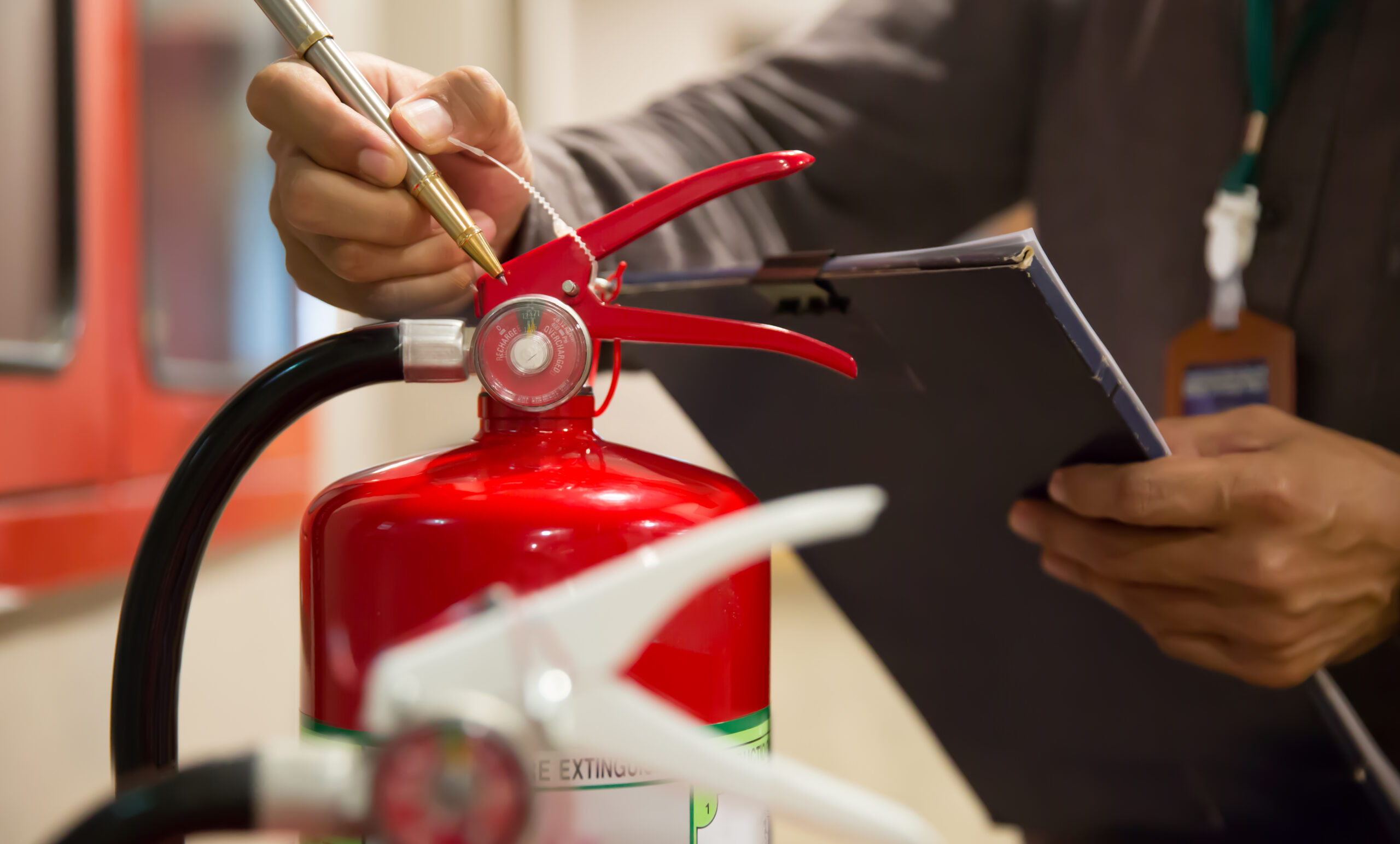
UAE authorities also emphasize periodic inspection and service. For example, fire suppression cylinders and accessories must be checked annually by approved service companies. This ensures systems remain fully functional in the harsh marine environment where salt, humidity, and heat can degrade equipment.
Types of Marine Fire Suppression Systems in the UAE
Under these standards, several types of systems are widely used in the UAE:
-
CO₂ Systems: Commonly installed in engine rooms, these systems displace oxygen to extinguish fire. Strict safety measures are required because of asphyxiation risks to crew.
-
Foam Systems: Effective against liquid fuel fires, particularly on tankers and vessels carrying flammable cargo.
-
Water Mist Systems: Increasingly popular because they use fine water droplets that cool flames and reduce oxygen levels without flooding compartments.
-
Clean Agent Systems: Systems using agents like NOVEC 1230 are gaining traction in UAE vessels due to their effectiveness and low environmental impact compared to halons.
-
Portable and Semi-Portable Extinguishers: Although not a full suppression system, these are also mandated under SOLAS and UAE regulations as complementary fire protection.
Automatic Extinguishing System Requirements
Automatic extinguishing systems are especially important in unmanned or hard-to-access areas like engine rooms. SOLAS requires these systems to activate automatically upon fire detection while allowing manual override. In the UAE, authorities mandate that any automatic system must be fitted with alarms and release delays to warn crew before discharge.
For example, a ferry operating between Sharjah and Ajman may rely on a CO₂ flooding system for its engine room. Regulations require that alarms sound before release, giving crew a chance to evacuate. Similarly, systems must include clear signage and operating instructions approved by the local authority.
Installation and Certification Process
Installation of a marine fire suppression system in the UAE involves several steps:
-
System design approval – Plans must be submitted to classification societies and UAE authorities for review.
-
Equipment sourcing – Only approved suppliers and certified equipment may be installed. This ensures compliance with SOLAS, IMO, and UAE standards.
-
Installation by licensed contractors – Marine fire suppression system installation in the UAE must be carried out by companies accredited by port authorities or civil defense.
-
Testing and commissioning – Before a ship enters service, the system is tested to confirm proper functioning, coverage, and discharge.
-
Certification – Vessels receive certification confirming compliance, which must be renewed periodically through inspections and servicing.
Inspection, Service, and Maintenance
Compliance does not end after installation. Both SOLAS and UAE maritime authorities require regular inspection and servicing. Typically, the schedule includes:
-
Monthly visual checks by crew
-
Quarterly system tests, where possible
-
Annual servicing by approved companies
-
Hydrostatic testing of cylinders every few years, depending on agent type
For example, in Dubai, civil defense-approved companies provide annual service contracts. They test detection systems, weigh CO₂ cylinders, check clean agent levels, and verify that alarms and controls are working correctly.
Safety-Link: Connecting Standards and Real-World Safety
The phrase “safety-link” is often used by UAE marine safety experts to emphasize how compliance links directly to practical safety outcomes. Following SOLAS, IMO, and local rules is not about paperwork alone; it is about ensuring that in a real emergency, systems work as intended.
Consider the case of a fishing vessel in Fujairah. By keeping its automatic extinguishing system certified and serviced, the crew avoided disaster when an electrical fire broke out. The suppression system discharged correctly, preventing injuries and saving the vessel. This shows how compliance acts as the link between regulations and human safety.
Challenges and Practical Considerations
Shipowners in the UAE sometimes face challenges balancing cost, compliance, and operational needs. Advanced systems like water mist or NOVEC may be more expensive upfront compared to CO₂, but they offer easier crew safety management and lower environmental impact.
Operators must also consider training. Even the best system is ineffective if the crew does not understand how it works. IMO and UAE rules both stress the need for regular fire drills and crew training in suppression system operation.
Choosing the Right Supplier and Service Partner
With numerous marine fire suppression system suppliers in the UAE, selecting the right partner is crucial. Factors to look for include:
-
Approval by UAE civil defense and port authorities
-
Experience with SOLAS and IMO compliance
-
24/7 support for service and emergencies
-
Ability to supply accessories and spare parts locally
-
A proven track record with similar vessel types
Working with the right partner ensures not only regulatory compliance but also long-term reliability and cost efficiency.
Conclusion
Marine fire suppression system standards in the UAE are built on a combination of SOLAS, IMO, and local regulations. They cover everything from system design and installation to ongoing service and certification. While compliance may seem complex, it ultimately provides a safety net that protects lives, vessels, and cargo.
For UAE shipowners and operators, the key takeaway is this: treat fire suppression not just as a regulatory checkbox but as a vital link in your safety chain. By investing in proper systems, approved suppliers, and regular maintenance, you ensure that when fire strikes, your crew and assets are truly protected.


Comments are closed