
Subtotal $0.00


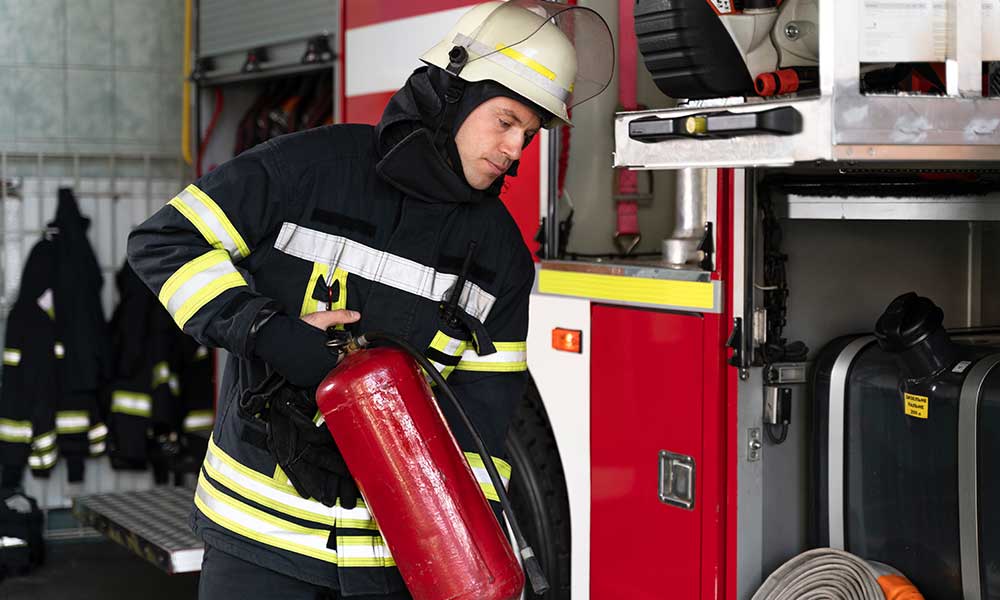
When it comes to shipboard safety, fire prevention and control are top priorities. A fire at sea can spread rapidly and be extremely difficult to contain due to limited space and combustible materials onboard. That’s why fire pumps and hydrant systems are considered the backbone of a vessel’s firefighting infrastructure. These systems ensure that water, one of the most accessible and effective firefighting agents, is always available at the right pressure and location.
In this article, we’ll explore how fire pumps and hydrant systems work, why they’re essential to ship safety, and how safety marine services in the UAE play a crucial role in maintaining these life-saving systems.
Understanding Fire Pumps on Ships
Fire pumps are designed to deliver water under high pressure to firefighting systems throughout the ship. They are usually part of a ship’s fixed fire main system, which distributes water to hydrants, hoses, and sprinklers.
A typical ship has at least two main fire pumps:
- Main Fire Pump: Powered by the ship’s main engine or electrical system, it supplies water to the fire main during normal operation.
- Emergency Fire Pump: A backup pump located outside the engine room, it ensures water supply even if the main power source fails during a fire.
How They Work:
When a fire alarm activates or a hydrant valve is opened, the fire pump draws seawater through the sea chest and pushes it into the fire main system. The pressurized water is then available for use through hoses or fixed nozzles.
Key Features of Ship Fire Pumps:
- High reliability and redundancy.
- Designed to operate under extreme conditions.
- Equipped with pressure gauges, relief valves, and alarms to ensure safe operation.
The Role of Hydrant Systems in Fire Control
Hydrant systems are the distribution network that delivers water from the pumps to different parts of the ship. Hydrants are strategically placed throughout the vessel—in engine rooms, cargo holds, accommodation areas, and decks—to ensure quick access during an emergency.
Each hydrant is connected to the main fire line and fitted with a hose and nozzle, enabling the crew to direct water exactly where it’s needed.
Why Hydrant Systems Are Critical:
- Accessibility: Multiple hydrants mean that fire hoses can reach any point onboard.
- Pressure Control: Hydrant valves help manage water pressure, ensuring steady flow without damaging hoses or fittings.
- Coordination: Fire hydrants support teamwork during emergencies, allowing several crew members to combat a blaze simultaneously.
How Fire Pumps and Hydrants Work Together
The effectiveness of a ship’s firefighting operation depends on the coordination between pumps and hydrants. The pump provides the necessary water pressure, while the hydrant system ensures even distribution throughout the vessel.
For instance, during an engine room fire, the main or emergency pump will supply water to hydrants positioned near the affected area. Crew members can connect hoses, control the flow, and direct the jet at the fire source—all within minutes.
This integrated system is designed for speed, reliability, and safety—three factors that can determine whether a small fire is extinguished quickly or escalates into a disaster.
Common Challenges in Fire Pump and Hydrant Systems
Even the most advanced systems can fail if not properly maintained. Some common issues include:
- Corrosion or Rusting: Continuous exposure to seawater can corrode pipes, valves, and pump components.
- Pressure Loss: Blockages, leaks, or worn seals can reduce water pressure, compromising firefighting efficiency.
- Pump Malfunctions: Mechanical failures due to lack of lubrication, overheating, or poor maintenance.
- Hydrant Damage: Rough handling or long-term wear can damage hydrant valves or hoses.
These issues highlight why regular inspections and testing are essential for every vessel’s safety regime.
Maintenance and Testing Best Practices
Regular maintenance ensures that fire pumps and hydrant systems function perfectly when needed. Here’s a simple checklist used by ship operators and safety marine services in the UAE:
- Weekly Checks:
- Run fire pumps for a few minutes to confirm proper operation.
- Check suction and discharge pressures.
- Inspect valves and strainers for leaks or debris.
- Monthly Inspections:
- Test hydrant pressure using pressure gauges.
- Check hoses for cracks, stiffness, or wear.
- Lubricate valves and inspect couplings.
- Quarterly Maintenance:
- Conduct a full flow test to ensure adequate pressure throughout the fire main system.
- Check the emergency pump’s independent power source (diesel engine or emergency generator).
- Annual Servicing:
- Flush out the entire fire main system to remove rust or sediment.
- Calibrate sensors, gauges, and alarm systems.
- Verify compliance with international safety standards such as SOLAS and IMO regulations.
Keeping detailed records of these checks is not only good practice—it’s also a regulatory requirement for vessel certification.
How Professional Marine Safety Services Help
While basic inspections can be performed by crew members, in-depth testing and certification must be carried out by professionals. Experienced safety marine services in the UAE offer comprehensive support, including:
- Fire pump performance testing and calibration.
- System design and installation of fire hydrant networks.
- Replacement of corroded or outdated equipment.
- Annual inspections and documentation for compliance audits.
These service providers ensure that every component—from pump seals to hydrant valves—meets global maritime safety standards. Their expertise helps shipowners minimize downtime, reduce risk, and ensure full operational readiness.
Conclusion
Fire pumps and hydrant systems are more than just pieces of machinery—they are vital guardians of life and property at sea. A well-maintained system can control a fire before it spreads, giving the crew valuable time to act and protect the vessel.
Investing in regular maintenance, crew training, and expert inspections through trusted safety marine services in the UAE ensures that your firefighting system is always ready for action. After all, when it comes to fire safety at sea, preparation isn’t optional—it’s lifesaving.


Comments are closed