Subtotal $0.00


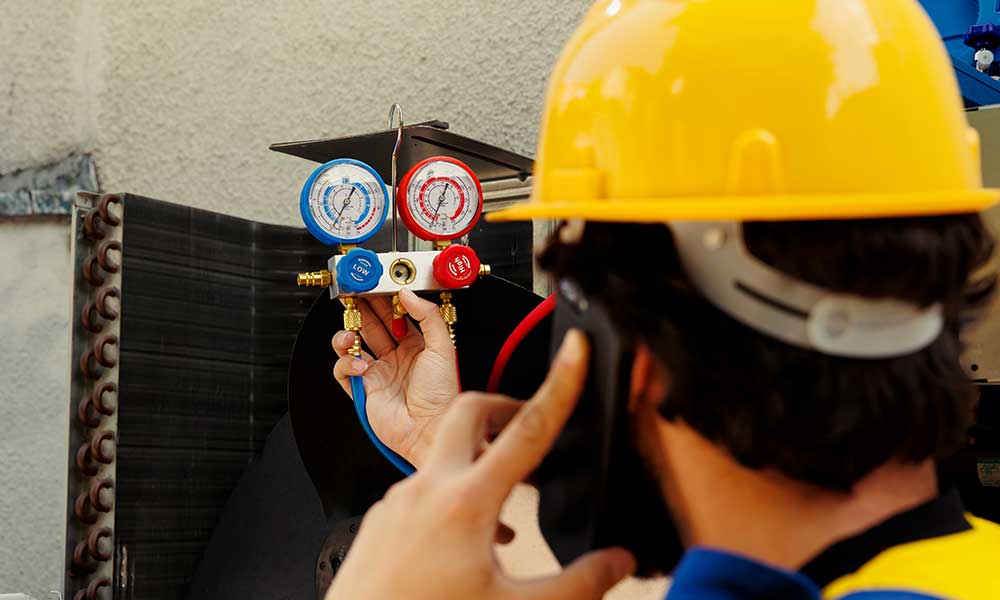
Breathing Air Cascade System Maintenance Guide
Breathing air cascade systems are designed to provide a reliable supply of compressed air for SCBA (Self-Contained Breathing Apparatus) and other breathing equipment. These systems are widely used in industries such as firefighting, marine operations, offshore facilities, and industrial plants where workers may encounter hazardous atmospheres. While the system itself is built for durability and safety, its effectiveness depends heavily on proper maintenance.
A poorly maintained cascade system can lead to serious risks. Issues like contaminated air, pressure leaks, or faulty valves may compromise the quality of breathing air or slow down cylinder refilling during emergencies. Because these systems support life-critical equipment, regular inspection and servicing are essential.
This guide explains the key maintenance practices that help keep a breathing air cascade system operating safely and efficiently.
Understanding the Key Components That Require Maintenance
Before discussing maintenance tasks, it helps to understand the main components of a cascade system. Each part plays a specific role in storing, controlling, and delivering compressed breathing air.
The most important components include:
- High-pressure storage cylinders that hold compressed breathable air
- Control panels and manifold systems that manage air flow
- Pressure regulators and gauges that monitor and control pressure levels
- High-pressure hoses and fittings used for cylinder refilling
- Filtration and air quality systems that ensure air purity
Because these components operate under very high pressure, even minor wear or damage can affect performance. For example, a worn valve seal might cause slow pressure leaks, while a damaged hose could create a safety hazard during filling operations.
Routine inspections help identify these issues early before they develop into serious problems.
Daily and Pre-Use Inspection Checks
One of the simplest but most effective maintenance practices is performing daily visual inspections. These checks should be completed before the cascade system is used, especially in environments where SCBA cylinders are frequently refilled.
During a routine inspection, operators typically verify the following:
- Cylinder pressure levels are within safe operating limits
- Gauges display accurate readings
- Valves open and close smoothly
- Hoses and fittings show no signs of cracks, wear, or leaks
- The control panel is functioning correctly
A quick inspection can often reveal issues that might otherwise go unnoticed. For instance, if a pressure gauge suddenly shows inconsistent readings, it may indicate a faulty regulator or sensor that needs replacement.
Operators should also listen for hissing sounds or unusual pressure loss, which may signal a small air leak somewhere in the system.
Monitoring Air Quality and Filtration Systems
Providing breathable air is the primary purpose of a cascade system, which makes air quality monitoring one of the most important maintenance tasks. Compressed breathing air must meet strict purity standards because contaminated air can cause serious health problems.
Air compressors and filtration systems are responsible for removing contaminants such as:
- Carbon monoxide
- Oil vapor
- Moisture
- Particulate matter
Filters must be replaced regularly according to manufacturer guidelines. If filters become clogged or saturated, they may no longer remove contaminants effectively.
In many industrial and marine environments, facilities also conduct periodic air quality testing using specialized monitoring equipment. These tests confirm that the air being stored and distributed through the cascade system meets breathing air standards.
Maintaining proper filtration not only protects workers but also prevents internal corrosion in storage cylinders caused by moisture buildup.
Inspecting High-Pressure Cylinders
The storage cylinders in a cascade system operate at extremely high pressure, often exceeding 300 bar (4,350 psi). Because of this, they must be carefully inspected and maintained to ensure structural integrity.
Routine cylinder maintenance usually includes:
- Checking for corrosion, dents, or physical damage
- Ensuring cylinder labels and pressure ratings remain visible
- Confirming that cylinder valves function properly
In addition to visual checks, cylinders must undergo periodic hydrostatic testing. This testing process evaluates the cylinder’s ability to safely hold pressure. Most safety standards require hydrostatic testing every few years depending on local regulations and cylinder type.
If a cylinder fails inspection or testing, it must be removed from service immediately.
Maintaining Valves, Regulators, and Gauges
The control panel of a cascade system contains several components responsible for regulating airflow and pressure. These include valves, regulators, and pressure gauges. Because these components are frequently used during cylinder refilling, they are subject to wear over time.
Regular maintenance should include:
- Cleaning valves to prevent debris buildup
- Verifying that regulators maintain stable pressure output
- Calibrating pressure gauges to ensure accurate readings
A malfunctioning regulator could lead to overfilling or underfilling SCBA cylinders, both of which create safety concerns. Accurate pressure control is critical for safe operation.
Technicians should also ensure that control panel fittings remain tight and leak-free.
Preventing Leaks and Pressure Loss
Even small leaks can reduce the efficiency of a cascade system. Over time, pressure loss may prevent the system from delivering the expected air supply during emergencies.
Leak detection usually involves:
- Applying leak detection solution to fittings
- Monitoring pressure levels over time
- Listening for escaping air around valves and connectors
If leaks are found, seals or fittings should be replaced immediately. Addressing leaks early helps maintain system reliability and prevents unnecessary compressor workload.
Scheduled Professional Servicing
While routine inspections can be performed by trained operators, cascade systems should also undergo periodic professional servicing. Certified technicians can conduct deeper inspections, pressure tests, and calibration procedures.
Professional maintenance may include:
- Comprehensive system pressure testing
- Regulator servicing or replacement
- Control panel inspection and calibration
- Verification of air quality systems
These scheduled service checks ensure the entire cascade system continues to meet safety and operational standards.
Conclusion
Breathing air cascade systems support critical safety equipment used in hazardous environments. Because workers rely on these systems for breathable air, maintaining them properly is essential.
Regular inspections, air quality monitoring, cylinder testing, and professional servicing all play an important role in keeping the system reliable. By following a structured maintenance routine, organizations can ensure that their cascade systems continue to provide safe, clean, and dependable breathing air whenever it is needed.
Proper maintenance is not just about protecting equipment—it is about protecting the people who depend on that equipment every day.


Comments are closed