
Subtotal $0.00


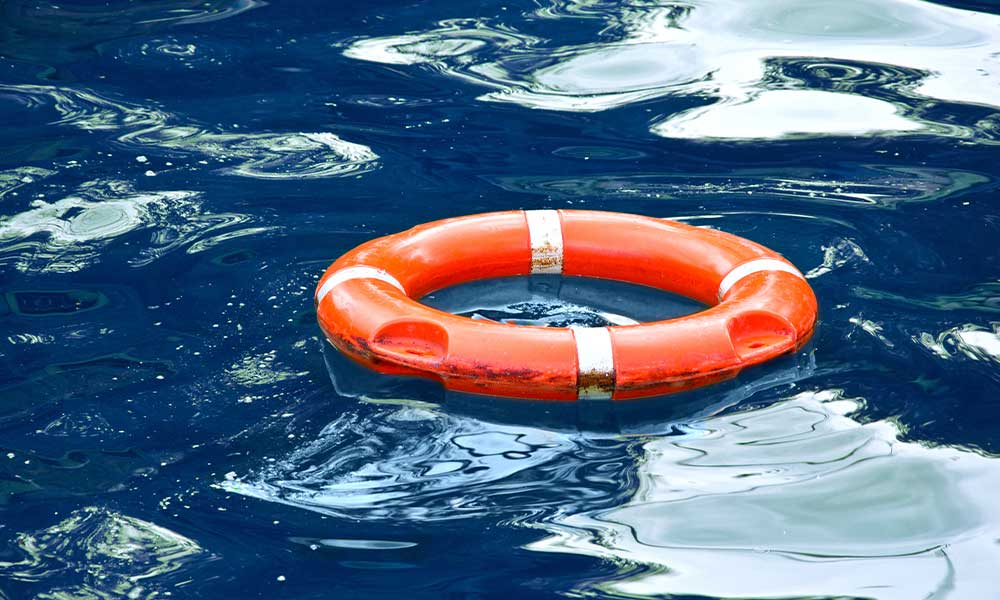
Picture this: someone goes overboard, pulls the tab on their inflatable life jacket, and nothing happens. It doesn’t inflate. In that moment, every other safety feature on the vessel becomes irrelevant, because the one piece of equipment meant to keep that person afloat has failed. This isn’t a rare horror story — it happens more often than most vessel owners realize, and it’s almost always preventable. At Safety Link Marine, we’ve inspected thousands of life jackets across UAE vessels since 2021, and inflation failure is one of the most common issues we find during routine life jacket service in UAE — not because the equipment is poorly made, but because it wasn’t checked often enough.
Let’s break down why this happens and what actually stops it.
Why Life Jackets Fail to Inflate
- Corroded or Expired CO2 Cylinders
Inflatable life jackets rely on a small CO2 cylinder to trigger inflation. Salt air and humidity — both constant in the UAE , cause these cylinders to corrode over time. A corroded cylinder can fail to puncture properly, or worse, may have already lost pressure without any visible sign from the outside.
- Firing Mechanism Malfunction
The automatic or manual firing mechanism is a small, precise part. Dust, salt residue, or simple wear can jam it. Since this mechanism is hidden inside the jacket’s housing, you won’t know it’s faulty just by looking at the jacket.
- Fabric and Bladder Damage
UV exposure, folding creases, and general wear can weaken the inner bladder — the part that actually holds the air. Even a pinhole-sized tear means the jacket won’t hold inflation long enough to matter.
- Improper Storage
Life jackets stored in damp lockers or areas with poor airflow degrade faster than the manufacturer’s rated lifespan suggests. A jacket that’s “supposed” to last five years might fail in two if it’s been sitting in a humid storage box the whole time.
- Simply Being Overlooked
Honestly, this is the biggest one. Life jackets are the kind of equipment that sits quietly in a locker, assumed to be fine because nobody’s had to use it. Out of sight, out of mind — until it’s needed.
Why Servicing Actually Prevents This
A proper life jacket service isn’t just a visual check. It typically includes:
- Testing and replacing CO2 cylinders that show any sign of corrosion or pressure loss
- Inspecting and testing the firing mechanism to confirm it triggers correctly
- Checking the bladder for leaks under pressure
- Verifying straps, buckles, and reflective tape are intact and SOLAS-compliant
- Confirming the jacket is within its certified service life
This kind of inspection catches the problems you can’t see from the outside — which is exactly the point. A jacket can look perfectly fine on a shelf and still fail the moment it’s needed.
How Often Should You Get This Done?
Most commercial vessels are required to have life jackets serviced annually as part of SOLAS compliance, though this can vary depending on vessel class and jacket type. Private yacht owners often skip this because it’s not always strictly enforced , but the risk to the person wearing it doesn’t change just because there’s no inspector checking.
What We See Most Often
Working across UAE waters, one pattern shows up constantly: vessels that are diligent about fire suppression and detection servicing, but treat life-saving equipment like an afterthought. It’s an understandable oversight , fire systems get more attention because they’re often tied to bigger compliance checklists. But a life jacket failure is just as serious, arguably more personal, since it’s the one piece of gear directly protecting an individual crew member.
What to Do If You’re Not Sure of Your Jacket’s History
If you’ve inherited a vessel, bought a used yacht, or simply lost track of when equipment was last serviced, don’t assume it’s fine just because nothing looks obviously wrong. Cylinders and firing mechanisms are hidden components — a jacket can pass a visual glance and still fail completely under real conditions. When in doubt, treat it as due for inspection rather than waiting for a reason to worry.
The Simple Fix
None of this requires guesswork on your part. A qualified technician can inspect your entire life jacket inventory in a single visit, flag anything that needs replacement, and issue proper documentation for your compliance records. It’s a small investment of time that removes a very real risk.
If it’s been a while since your life jackets were last checked — or you’re honestly not sure when that was , that’s usually a sign it’s overdue.
Get your life jackets inspected by certified technicians at Safety Link Marine. Message us on WhatsApp at +971 54 747 6383 or email sales@safetylinkmarine.com to schedule your service today.


Comments are closed