
Subtotal $0.00


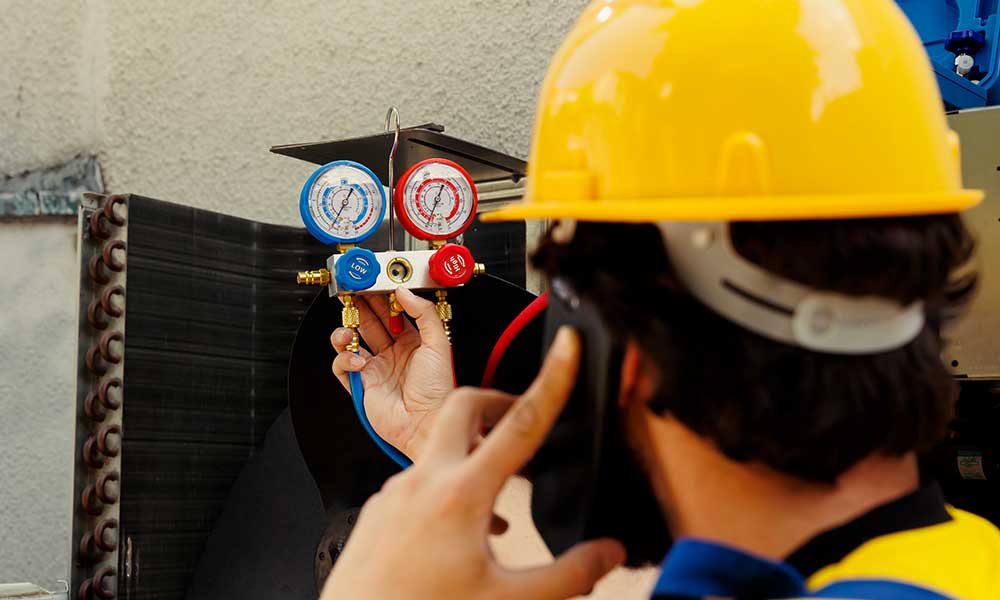
Gas detection plays a critical role in marine safety. Whether operating a cargo vessel, offshore support vessel, tanker, or drilling platform, identifying hazardous gases before they become a threat is essential for protecting crew members and ensuring regulatory compliance.
When selecting a gas detection system, one of the most common questions vessel operators face is whether to use fixed gas detectors, portable gas detectors, or a combination of both.
The answer depends on the vessel’s operating environment, risk level, and safety requirements. Each type of gas detector serves a specific purpose, and understanding their differences can help you make informed decisions about onboard safety.
In this guide, we’ll explore how fixed and portable gas detectors work, their advantages and limitations, and how to determine which option is best suited for your vessel.
Why Gas Detection Matters in Marine Operations
Marine environments present a variety of gas-related hazards. Dangerous gases can accumulate in cargo holds, engine rooms, ballast tanks, fuel storage areas, and confined spaces.
Common hazards include:
- Hydrogen sulfide (H2S)
- Carbon monoxide (CO)
- Methane (CH4)
- Oxygen deficiency
- Volatile organic compounds (VOCs)
Without proper monitoring, these gases can create serious risks, including:
- Crew injuries
- Explosions and fires
- Confined space accidents
- Regulatory violations
- Vessel downtime
This is why reliable gas detection systems have become a standard safety requirement across the maritime industry.
What Is a Fixed Gas Detector?
A fixed gas detector is permanently installed in a specific location on a vessel or offshore facility. These systems continuously monitor the surrounding atmosphere and provide real-time alerts when gas levels exceed safe limits.
Fixed detectors are commonly installed in:
- Engine rooms
- Cargo handling areas
- Pump rooms
- Fuel storage spaces
- Battery rooms
- Processing areas
- Offshore production facilities
Because they operate continuously, fixed systems provide ongoing protection without requiring manual testing.
Benefits of Fixed Gas Detectors
Fixed gas detection systems offer several important advantages.
Continuous Monitoring
Unlike portable devices, fixed detectors monitor gas levels 24 hours a day.
This allows crews to identify hazards immediately, even when no personnel are present in the area.
Early Warning System
Fixed systems are connected to alarms and monitoring panels that provide instant notification when gas concentrations reach unsafe levels.
This rapid response capability can prevent serious incidents.
Regulatory Compliance
Many maritime regulations require permanent gas monitoring in specific high-risk areas.
Fixed systems help vessel operators meet these safety obligations.
Integration with Safety Systems
Advanced fixed detectors can be connected to:
- Fire detection systems
- Emergency shutdown systems
- Ventilation controls
- Alarm management systems
This integration improves overall vessel safety.
Limitations of Fixed Gas Detectors
Despite their advantages, fixed systems are not suitable for every situation.
Some limitations include:
- Higher installation costs
- Limited coverage outside installed locations
- Regular maintenance requirements
- Inability to move between work areas
A fixed detector only monitors the area where it is installed.
What Is a Portable Gas Detector?
A portable gas detector is a handheld or wearable device designed to monitor gas levels wherever personnel are working.
These detectors are widely used during:
- Confined space entry
- Tank inspections
- Maintenance activities
- Emergency response operations
- Cargo handling procedures
Portable detectors allow crew members to assess atmospheric conditions before entering potentially hazardous areas.
Benefits of Portable Gas Detectors
Portable gas detectors offer flexibility that fixed systems cannot provide.
Mobility
The biggest advantage is portability.
Workers can carry the detector to different locations and monitor conditions in real time.
Confined Space Safety
Before entering enclosed spaces, crews can use portable detectors to check for:
- Toxic gases
- Oxygen deficiency
- Flammable atmospheres
This significantly reduces the risk of confined space accidents.
Cost-Effective Solution
Portable units generally require lower upfront investment compared to fixed installations.
This makes them attractive for smaller vessels and targeted applications.
Personal Protection
Many portable detectors are worn by crew members throughout their shift, providing continuous personal safety monitoring.
Limitations of Portable Gas Detectors
While portable detectors are extremely valuable, they also have certain limitations.
No Continuous Area Monitoring
Portable devices only monitor the location where they are being used.
Once removed, monitoring stops.
Human Dependence
Their effectiveness depends on proper usage.
If a worker forgets to carry the detector or perform testing, hazards may go undetected.
Battery Management
Portable units require regular charging and maintenance to remain operational.
Potential for Damage
Frequent handling can increase wear and tear compared to fixed installations.
Fixed vs Portable Gas Detectors: Key Differences
Understanding the primary differences helps determine the best solution for your vessel.
Feature | Fixed Gas Detector | Portable Gas Detector |
Installation | Permanent | Mobile |
Monitoring | Continuous | Temporary |
Coverage | Specific Area | Multiple Locations |
Cost | Higher Initial Cost | Lower Initial Cost |
User Involvement | Minimal | High |
Confined Space Testing | Limited | Excellent |
Personal Protection | No | Yes |
Alarm System Integration | Yes | Limited |
Both systems serve important but different purposes.
Which Option Is Best for Your Vessel?
The choice depends on your operational requirements.
Choose Fixed Gas Detectors If:
- You need continuous monitoring.
- High-risk areas require permanent protection.
- Regulatory compliance mandates fixed systems.
- Gas hazards are expected in specific locations.
Fixed systems are ideal for vessels where certain areas consistently present gas-related risks.
Choose Portable Gas Detectors If:
- Workers frequently move between locations.
- Confined space entry is common.
- Temporary gas monitoring is required.
- Budget constraints limit large installations.
Portable detectors provide flexibility and personal protection for dynamic work environments.
Why Many Operators Use Both
In reality, most modern vessels benefit from a combination of fixed and portable gas detection systems.
For example:
A tanker may use fixed detectors in pump rooms and cargo areas while providing portable detectors for maintenance teams performing inspections in confined spaces.
This layered approach offers the highest level of protection.
Fixed systems provide continuous area monitoring, while portable units give workers the flexibility to assess changing conditions wherever they go.
Together, they create a more comprehensive safety strategy.
Maintenance and Calibration Are Essential
Regardless of which system you choose, proper maintenance is critical.
Gas detectors should be:
- Calibrated according to manufacturer recommendations
- Inspected regularly
- Function tested before use
- Maintained by qualified personnel
Even the best gas detection equipment cannot provide reliable protection if it is not properly maintained.
Regular inspection and calibration help ensure accurate readings and compliance with safety standards.
Choosing between fixed and portable gas detectors is not always an either-or decision. Both systems serve unique roles in marine safety, and each offers important benefits.
Fixed gas detectors provide continuous monitoring in high-risk areas, while portable gas detectors offer flexibility and personal protection during daily operations. For many vessels, combining both solutions delivers the most effective safety coverage.
At Safety Link Marine, we help vessel operators identify the right gas detection systems for their specific operational requirements. From system selection and installation to calibration and maintenance, our goal is to support safer marine operations through reliable gas detection solutions.
When it comes to protecting lives at sea, having the right gas detection strategy in place is one of the most important investments a vessel operator can make.


Comments are closed