
Subtotal $0.00


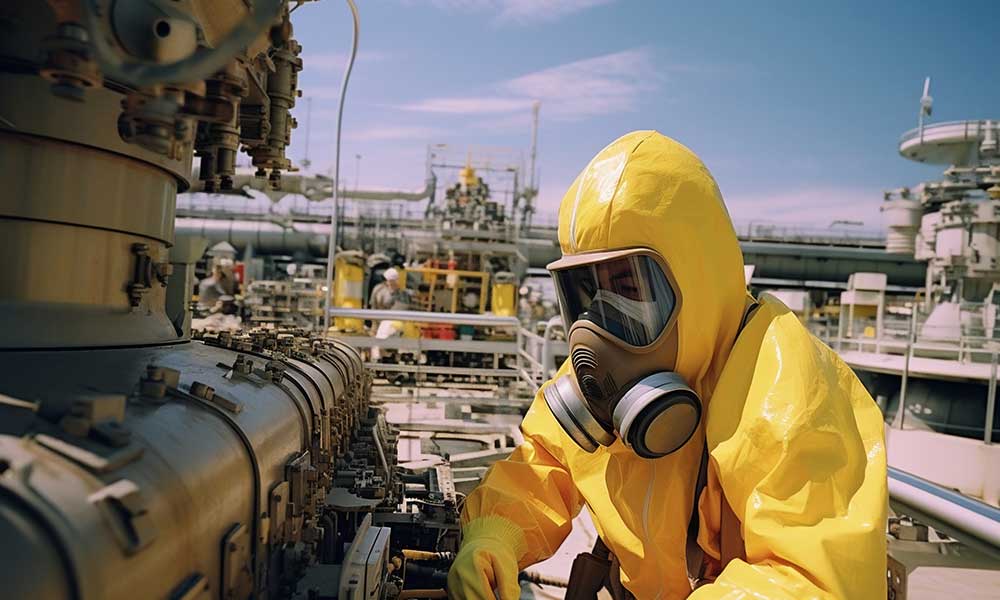
Hydrogen sulfide (H2S) is one of the most dangerous gases encountered in marine and offshore environments. Despite being invisible and often difficult to detect without proper equipment, it can pose serious risks to crew members, vessels, and operations.
Whether you’re working on cargo ships, offshore platforms, tankers, or support vessels, understanding the dangers of H2S exposure is essential for maintaining a safe working environment. In this article, we’ll explore what H2S is, the risks associated with exposure, common symptoms, and practical ways to prevent accidents.
What Is Hydrogen Sulfide (H2S)?
Hydrogen sulfide is a toxic, flammable gas produced by the breakdown of organic materials in the absence of oxygen. It is commonly found in industries such as oil and gas, wastewater treatment, and marine operations.
Many people recognize H2S by its characteristic “rotten egg” smell. However, relying on smell alone is extremely dangerous. At higher concentrations, the gas can quickly paralyze the sense of smell, making it impossible to detect without specialized equipment.
This is why marine operators depend on hydrogen sulfide gas detectors and marine gas detection systems to monitor potentially hazardous areas.
Why Is H2S a Serious Concern in Marine Operations?
Marine environments often involve confined spaces, enclosed tanks, ballast compartments, cargo holds, and machinery areas where hazardous gases can accumulate.
In these environments, H2S can build up without warning. Since it is heavier than air, it tends to settle in low-lying areas, creating hidden dangers for crew members performing inspections, maintenance, or cleaning activities.
The consequences of exposure can be severe:
- Respiratory problems
- Eye and skin irritation
- Loss of consciousness
- Long-term health complications
- Fatal accidents in high concentrations
Even a brief exposure to high levels of H2S can become life-threatening.
Common Sources of H2S on Vessels
Understanding where H2S may occur helps crews take preventive action.
Common sources include:
Cargo Tanks
Oil tankers and chemical carriers may encounter H2S during cargo handling operations.
Ballast Tanks
Organic matter and stagnant water can contribute to gas formation inside ballast systems.
Sewage Systems
Marine sanitation systems can generate hydrogen sulfide through bacterial activity.
Bilges and Confined Spaces
Areas with poor ventilation can allow gases to accumulate over time.
Offshore Oil and Gas Operations
H2S is frequently associated with drilling, production, and processing activities.
Identifying these high-risk areas is the first step toward effective gas safety management.
Symptoms of H2S Exposure
The symptoms of hydrogen sulfide exposure vary depending on the concentration and duration of exposure.
Low-Level Exposure
At lower concentrations, crew members may experience:
- Headaches
- Dizziness
- Nausea
- Fatigue
- Eye irritation
- Sore throat
These symptoms can easily be mistaken for general illness or exhaustion, making proper monitoring essential.
Moderate Exposure
As concentrations increase, symptoms may become more serious:
- Difficulty breathing
- Persistent coughing
- Loss of balance
- Blurred vision
- Increased fatigue
Immediate evacuation and medical attention are necessary at this stage.
High-Level Exposure
Exposure to high concentrations can result in:
- Sudden collapse
- Unconsciousness
- Respiratory failure
- Cardiac arrest
- Death
In many cases, high-level exposure can incapacitate a worker within seconds.
The Importance of Marine Gas Detection Systems
One of the most effective ways to reduce H2S-related risks is through continuous monitoring.
Modern marine gas detection systems are designed to identify hazardous gas concentrations before they become dangerous. These systems provide early warnings that allow crews to take corrective action immediately.
Key benefits include:
- Real-time monitoring
- Early hazard detection
- Improved crew safety
- Compliance with safety regulations
- Reduced risk of accidents
Many vessels use a combination of fixed gas detectors and portable gas detectors to ensure comprehensive coverage.
Fixed systems continuously monitor critical areas, while portable units allow personnel to test confined spaces before entry.
Best Practices for Preventing H2S Exposure
Prevention is always more effective than responding to an emergency.
Here are some practical measures that every vessel operator should follow:
Conduct Regular Gas Testing
Before entering confined spaces, always test the atmosphere using calibrated gas detection equipment.
Maintain Proper Ventilation
Adequate ventilation helps prevent dangerous gas buildup in enclosed areas.
Train Crew Members
Every crew member should understand H2S hazards, emergency procedures, and proper detector usage.
Use Personal Protective Equipment (PPE)
Depending on the risk level, respiratory protection and other safety gear may be required.
Calibrate Gas Detectors Regularly
Gas detectors must be calibrated according to manufacturer recommendations to ensure accurate readings.
Follow Confined Space Entry Procedures
Strict entry permits and safety protocols help reduce exposure risks.
What to Do During an H2S Emergency
If an H2S alarm activates, quick action is critical.
The recommended response includes:
- Leave the affected area immediately.
- Move to a safe location with fresh air.
- Notify supervisors and safety personnel.
- Prevent unauthorized entry into the area.
- Follow vessel emergency response procedures.
- Seek medical evaluation for anyone exposed.
Attempting a rescue without proper breathing apparatus can result in multiple casualties. Emergency responders must always use appropriate protective equipment.
Why Professional Inspection and Maintenance Matter
Even the most advanced gas detection equipment requires regular inspection and maintenance.
Faulty sensors, expired calibration, damaged components, or neglected testing procedures can lead to inaccurate readings. This creates a false sense of security and increases the risk of accidents.
Professional gas detector inspection, calibration, and maintenance services help ensure that systems remain reliable when they are needed most.
For marine operators, investing in routine maintenance is a small cost compared to the consequences of a gas-related incident.
H2S gas exposure remains one of the most significant safety risks in marine operations. Because the gas is highly toxic and often difficult to detect without specialized equipment, prevention must be a top priority.
By implementing proper training, maintaining effective marine gas detection systems, conducting regular inspections, and following established safety procedures, vessel operators can significantly reduce the risk of exposure and protect their crews.
At Safety Link Marine, we help marine operators strengthen workplace safety through reliable gas detection solutions, inspection services, and safety equipment designed to meet the demanding requirements of the marine industry.
Protecting lives starts with awareness, preparation, and the right safety systems in place.


Comments are closed