Subtotal $0.00


UAE Safety Regulations for Breathing Air Systems
Breathing air systems play an essential role in protecting workers who operate in hazardous environments. In industries such as oil and gas, marine operations, firefighting, and heavy manufacturing, workers may be exposed to smoke, toxic gases, or oxygen-deficient spaces. To prevent serious health risks, organizations must ensure that the air supplied through breathing equipment is clean, safe, and delivered through properly maintained systems.
In the United Arab Emirates, workplace safety is governed by strict regulations that require companies to follow internationally recognized standards when installing and operating breathing air systems. These regulations focus on air quality, equipment maintenance, system design, and worker training. Understanding these requirements helps organizations maintain compliance while protecting the health and safety of their workforce.
Importance of Breathing Air Safety Regulations
Breathing air systems are not just another piece of industrial equipment. They are considered life-support systems, which means any failure or contamination could have immediate and serious consequences for workers. For example, if compressed air contains carbon monoxide or oil vapor, workers using breathing apparatus may inhale harmful contaminants without realizing it.
Because of these risks, regulatory authorities require companies to implement strict safety controls when dealing with compressed breathing air. These rules are designed to ensure that:
- The air supplied to workers meets established purity standards
- Equipment is properly installed and maintained
- Air cylinders and compressors operate safely under high pressure
- Workers receive proper training on breathing apparatus usage
In the UAE, these requirements are enforced through a combination of national labor laws, municipal safety regulations, and internationally recognized occupational safety standards.
Key Regulatory Authorities in the UAE
Several authorities in the UAE oversee workplace health and safety, including regulations related to breathing air systems. Depending on the industry and location, different organizations may be responsible for inspections and compliance.
Some of the main regulatory bodies include:
Ministry of Human Resources and Emiratisation (MOHRE)
This ministry establishes workplace safety guidelines that apply across many industries in the UAE.
Abu Dhabi Occupational Safety and Health Center (OSHAD)
OSHAD develops detailed occupational safety frameworks, especially for industries operating in Abu Dhabi. These frameworks often reference international safety standards.
Dubai Municipality Safety Department
Dubai Municipality enforces safety requirements for industrial facilities, construction projects, and public safety operations within the emirate.
Civil Defense Authorities
UAE Civil Defense departments regulate fire safety systems and emergency response equipment, including breathing apparatus used by firefighting teams.
These authorities often require companies to follow recognized international standards when implementing breathing air systems.
Air Quality Standards for Breathing Air
One of the most important regulatory requirements is ensuring that breathing air meets strict purity standards. Compressed air used for breathing must be free from harmful contaminants such as carbon monoxide, oil mist, and excessive moisture.
Many UAE safety frameworks reference international standards such as EN 12021, which defines the quality requirements for compressed breathing air. According to this standard, breathing air must meet limits for contaminants including:
- Carbon monoxide
- Carbon dioxide
- Oil vapor and particulates
- Water vapor
- Odor and taste contaminants
Regular air testing is required to confirm that compressed air meets these limits. Facilities often use air quality monitoring systems or laboratory testing services to verify compliance.
Maintaining proper filtration systems and replacing filters on schedule is critical for meeting these air purity standards.
Equipment Safety and System Design
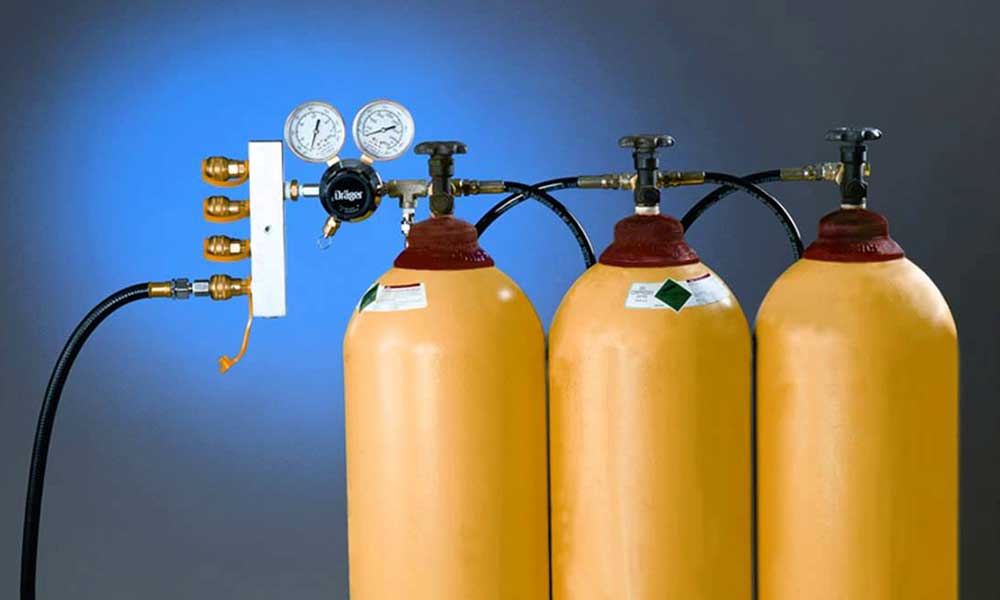
Regulations also require breathing air systems to be designed and installed according to recognized engineering standards. This includes compressors, cascade systems, storage cylinders, control panels, and filling stations.
Important safety requirements typically include:
- Proper pressure rating for cylinders and piping
- Clearly labeled control panels and gauges
- Safety relief valves to prevent over-pressurization
- Secure mounting of high-pressure cylinders
- Proper ventilation around compressor equipment
Because compressed air cylinders operate at extremely high pressures, improper installation can create serious hazards. Safety inspections are often conducted to verify that the system meets required standards.
Maintenance and Inspection Requirements
UAE safety regulations place strong emphasis on regular inspection and maintenance of breathing air systems. Employers are responsible for ensuring that equipment remains in safe working condition at all times.
Typical maintenance requirements include:
- Routine inspection of compressors, filters, and regulators
- Leak detection checks for high-pressure lines and fittings
- Calibration of pressure gauges and monitoring devices
- Scheduled replacement of filtration components
Storage cylinders must also undergo periodic testing. Many standards require hydrostatic testing every few years to ensure the cylinders can safely withstand high pressure.
Maintenance records are usually required for compliance purposes, and safety inspectors may request documentation during audits.
Training and Worker Safety Responsibilities
Regulations do not focus only on equipment. Worker training is another important part of breathing air safety. Employees who use breathing apparatus must understand how to operate the equipment correctly and how to respond in emergencies.
Training programs typically cover:
- Proper use of SCBA or supplied-air respirators
- Safe cylinder handling procedures
- Emergency evacuation protocols
- Recognizing signs of air system malfunction
Workers must also be aware of the hazards present in confined spaces or contaminated environments. Proper training ensures they can respond quickly if a problem occurs.
Employers are responsible for providing this training and ensuring that only qualified personnel operate breathing air systems.
Compliance in High-Risk Industries
Certain industries in the UAE face stricter breathing air safety requirements because of the nature of their operations. These sectors include:
- Oil and gas production
- Offshore drilling platforms
- Marine and shipyard operations
- Chemical manufacturing
- Fire and emergency response services
In these environments, breathing air systems are often integrated into broader emergency preparedness and safety management programs. Regular drills, inspections, and system testing help ensure that equipment will perform correctly when needed.
Conclusion
Breathing air systems are a critical part of workplace safety in many UAE industries. Because workers depend on these systems for clean, breathable air in hazardous environments, strict regulations are in place to ensure their reliability.
UAE authorities require companies to maintain high standards for air quality, equipment design, system maintenance, and worker training. By following these regulations and international safety standards, organizations can protect their workforce while maintaining compliance with local safety laws.
For companies operating in high-risk industries, investing in properly designed and maintained breathing air systems is not only a regulatory requirement—it is a fundamental responsibility toward worker safety.


Comments are closed