
Subtotal $0.00


What Is a Breathing Air Cascade System and Why Is It Important?
Understanding the Basics of Breathing Air Systems
When people hear the term breathing air system, they often imagine scuba divers or firefighters wearing tanks on their backs. In reality, breathing air systems are used across many industries where workers must operate in environments that may contain smoke, toxic gases, or low oxygen levels. In such situations, relying on the surrounding air simply isn’t safe. Workers need a reliable source of clean, breathable air to continue their tasks without risking their health.
A breathing air system is designed to provide compressed air that meets strict safety and purity standards. This air is delivered through cylinders, masks, or breathing apparatus so that workers can breathe normally even in hazardous conditions. For example, firefighters entering a smoke-filled building depend entirely on these systems to survive. Similarly, technicians working inside chemical tanks, ship compartments, or confined industrial spaces also rely on breathing air equipment to protect themselves.
The quality of the air supplied by these systems is extremely important. Contaminated air could expose workers to carbon monoxide, oil vapors, or other harmful substances. That is why breathing air systems are usually connected to specialized compressors, filtration units, and storage cylinders designed to maintain air purity.
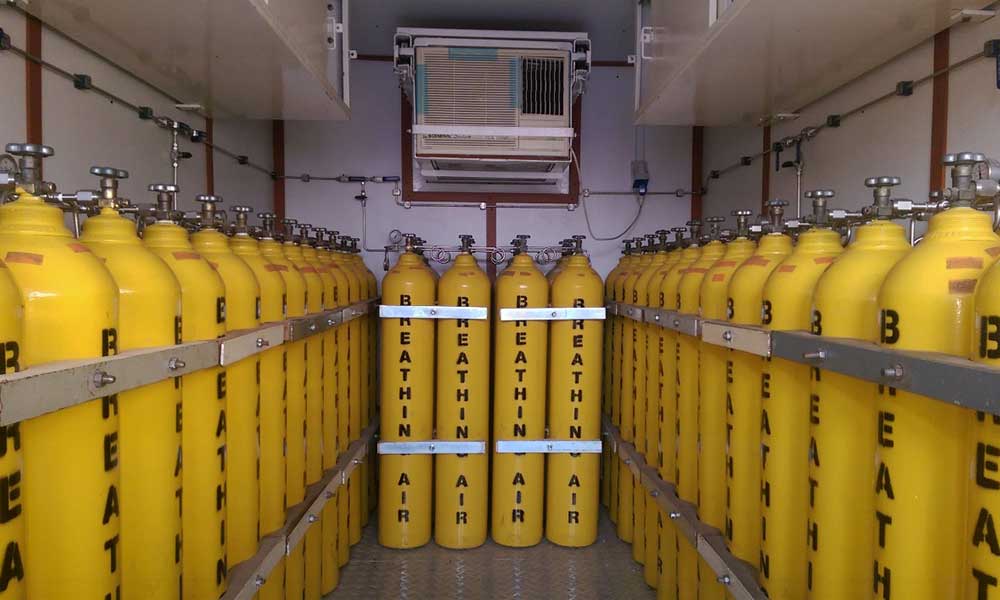
However, supplying clean air isn’t the only challenge. In emergency or industrial environments, multiple air cylinders must be refilled quickly and efficiently. This is where a breathing air cascade system becomes essential. Instead of relying on a single air source or slow refilling methods, a cascade system stores compressed air in several cylinders at different pressure levels. These cylinders work together to refill breathing apparatus quickly while maintaining consistent pressure.
Understanding how these systems work helps explain why they are so widely used in firefighting, marine operations, offshore platforms, and hazardous industrial facilities. They are not just convenient equipment; they are a critical safety infrastructure that ensures workers always have access to life-supporting air when they need it most.
What Is Breathing Air Used For in Industrial Environments?
Breathing air is primarily used in environments where the surrounding atmosphere could harm workers. These conditions might include toxic chemical exposure, oxygen-deficient spaces, heavy smoke, or confined areas with poor ventilation. In such environments, protective breathing equipment becomes a basic safety requirement rather than an optional tool.
Industrial workers often enter confined spaces such as tanks, pipelines, or storage vessels. These areas may contain gases that are invisible and odorless but extremely dangerous. Without a reliable breathing air system, workers could quickly experience dizziness, unconsciousness, or long-term health damage.
Another major use is during fire response and rescue operations. Firefighters depend on Self-Contained Breathing Apparatus (SCBA) units that carry compressed air cylinders. These units allow them to move through smoke-filled buildings while maintaining a clean air supply.
Industries That Depend on Breathing Air Systems
Many industries rely heavily on breathing air systems because the nature of their work exposes employees to hazardous atmospheres. Some of the most common sectors include:
- Fire and rescue services
- Marine and offshore operations
- Oil and gas facilities
- Chemical and petrochemical plants
- Mining operations
- Confined space maintenance teams
In marine environments, for example, workers may need to enter ship cargo tanks or engine rooms where ventilation is limited. Similarly, offshore oil platforms often deal with gases that could pose serious risks if inhaled. In both cases, breathing air systems ensure that workers can safely complete inspections, maintenance, or emergency tasks.
As these industries expanded and safety standards improved, the demand for faster and more reliable air refilling systems grew. This need led to the development of the breathing air cascade system, which helps maintain a constant supply of compressed air for breathing apparatus.


Comments are closed