
Subtotal $0.00


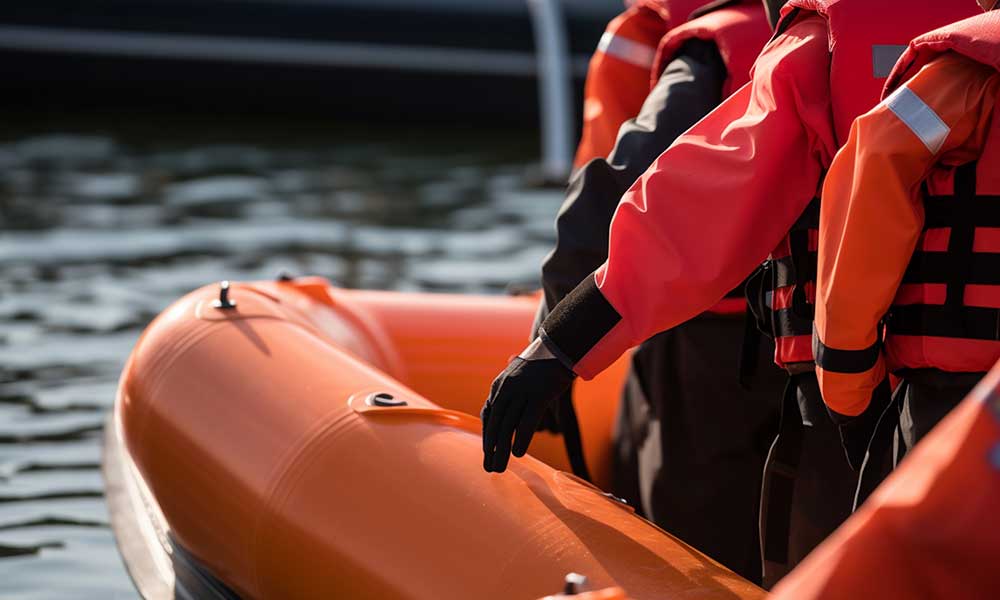
In the world of marine safety, few things are as critical as lifeboat launching appliances. These systems are the unsung heroes of emergency preparedness at sea, designed to ensure that lifeboats can be deployed quickly, safely, and effectively during an emergency. Whether it’s a large commercial vessel or an offshore platform, the proper functioning of lifeboat launching systems can literally be the difference between life and death.
In this article, we’ll explore what lifeboat launching appliances are, how they work, the different types used on ships, and why regular inspection and maintenance—like those offered by professional marine service providers such as Safety Link Marine—are vital for vessel safety and compliance.
1. What Are Lifeboat Launching Appliances?
Lifeboat launching appliances refer to the mechanical systems and equipment used to lower lifeboats safely into the water during an emergency. These include davits, winches, release mechanisms, hooks, and associated hydraulic or electric controls.
Their main purpose is simple yet essential: to allow crew members to evacuate the ship quickly, even when the vessel is listing or conditions are rough. Modern systems are built to function under extreme circumstances, such as heavy seas, strong winds, and vessel tilting, ensuring that lifeboats can still be deployed safely.
2. Key Components of a Lifeboat Launching System
A standard lifeboat launching appliance is made up of several interdependent components, each playing a crucial role in safe operation.
- Davits:
These are the mechanical arms or cranes that hold and swing the lifeboat out over the ship’s side before launch. Davits come in several designs, including gravity davits, single-arm davits, and free-fall systems, depending on the vessel’s configuration. - Winches and Cables:
The winch system raises and lowers the lifeboat using steel cables or wire ropes. It’s equipped with brakes, motors, and manual backup controls to prevent accidents in case of power failure. - Release Mechanism:
This is the system that detaches the lifeboat from the davit once it’s safely in the water. It can be manual or automatic, but it must allow for quick release under load (even when the lifeboat is carrying people). - Hooks and Safety Locks:
Hooks keep the lifeboat secured until the moment of launch. Safety locks ensure they don’t open prematurely, avoiding the risk of accidental drops. - Hydraulic or Electric Controls:
Modern systems often use hydraulics or electric motors for smooth operation. Manual backup options are always included for emergency use.
3. Types of Lifeboat Launching Systems
The type of launching system used depends largely on the vessel’s size, design, and purpose. Here are the most common types:
- Gravity Davit Systems:
Used on large merchant ships, these systems rely on gravity to lower the lifeboat. The boat slides down a track when the brake is released, making it simple and reliable. - Free-Fall Lifeboat Systems:
Common on tankers and offshore installations, these systems allow lifeboats to “free-fall” directly into the sea. It’s one of the fastest methods of evacuation and minimizes crew exposure to fire or hazardous conditions. - Single-Arm Davit Systems:
Often used for smaller vessels or rescue boats, these davits are compact and can rotate to launch the lifeboat swiftly. - Hydraulic Pivoting Systems:
These are advanced systems powered by hydraulics, allowing for precise control during the lowering process.
Each system has unique advantages, but all share a common goal—ensuring rapid, reliable, and safe deployment.
4. Importance of Regular Maintenance and Inspection
Like any other piece of safety equipment, lifeboat launching appliances must be regularly inspected, tested, and maintained. Failures in these systems have led to serious accidents during both drills and real emergencies.
Regular maintenance helps identify wear, corrosion, and malfunctioning parts before they become critical. It also ensures compliance with international safety regulations like SOLAS (Safety of Life at Sea) and IMO guidelines, which require routine checks and annual servicing by certified personnel.
Common Maintenance Tasks Include:
- Checking and lubricating moving parts (winches, bearings, and cables).
- Testing brakes and release mechanisms.
- Inspecting hydraulic lines for leaks.
- Verifying proper operation of manual backup systems.
- Conducting load tests to ensure structural integrity.
Tip: Partnering with certified marine service providers like Safety Link Marine ensures that inspections meet regulatory standards and are documented for compliance audits.
5. Crew Training and Safety Drills
Even the most advanced launching system is only as effective as the crew operating it. Regular training ensures that crew members are confident and efficient in handling lifeboat systems during emergencies.
Fire and abandon-ship drills should include practical training in:
- Operating davits and winches.
- Handling release mechanisms.
- Coordinating launch procedures in low-visibility or high-stress conditions.
- Securing lifeboats after water entry.
Proper training not only boosts confidence but also reduces panic and confusion during real emergencies.
6. Common Issues and Safety Concerns
Despite strict regulations, accidents involving lifeboat launching systems still occur, often due to poor maintenance or human error. Common issues include:
- Corroded cables or pulleys.
- Malfunctioning brakes or release hooks.
- Hydraulic leaks causing uneven lowering.
- Failure to lock or secure the lifeboat correctly.
To prevent such incidents, always ensure that all parts are inspected before drills and that maintenance logs are kept up to date.
Conclusion
Lifeboat launching appliances are a cornerstone of maritime safety. They combine mechanical precision, engineering reliability, and human skill to ensure safe evacuation when it matters most. Regular maintenance, crew training, and compliance with international safety standards keep these systems functioning effectively and help prevent tragic accidents.
By working with experienced professionals like Safety Link Marine, ship operators can ensure that lifeboat systems are properly maintained, certified, and always ready for action. Because at sea, preparedness is not just about equipment—it’s about saving lives.


Comments are closed