Subtotal $0.00


Fire at sea is one of the most serious emergencies any vessel can face. Unlike on land, there’s no quick help from local fire departments—so ships must be self-reliant when it comes to firefighting. Having the right marine fire suppression system in the UAE and keeping it in top condition can make the difference between a minor incident and a major disaster.
In this article, we’ll explore the main types of marine firefighting equipment and outline a practical maintenance checklist to ensure they’re always ready when needed.
1. Fire Extinguishers
Fire extinguishers are the first line of defense on any vessel. Different types are used depending on the nature of the fire:
- Foam Extinguishers: Effective for flammable liquids like oil and fuel.
- CO₂ Extinguishers: Ideal for electrical fires, as they don’t leave residue.
- Dry Powder Extinguishers: Suitable for a variety of fire classes, including gas fires.
- Water Mist Extinguishers: Commonly used for solid combustibles like paper and wood.
Maintenance Checklist:
- Check the pressure gauge regularly to ensure it’s within the safe range.
- Inspect for corrosion, leaks, or damage.
- Verify that safety pins and seals are intact.
- Refill or replace after use or once the expiry date is reached.
Pro Tip: Keep extinguishers in accessible locations and ensure crew members are trained to use them correctly.
2. Fire Hydrant and Hose Systems
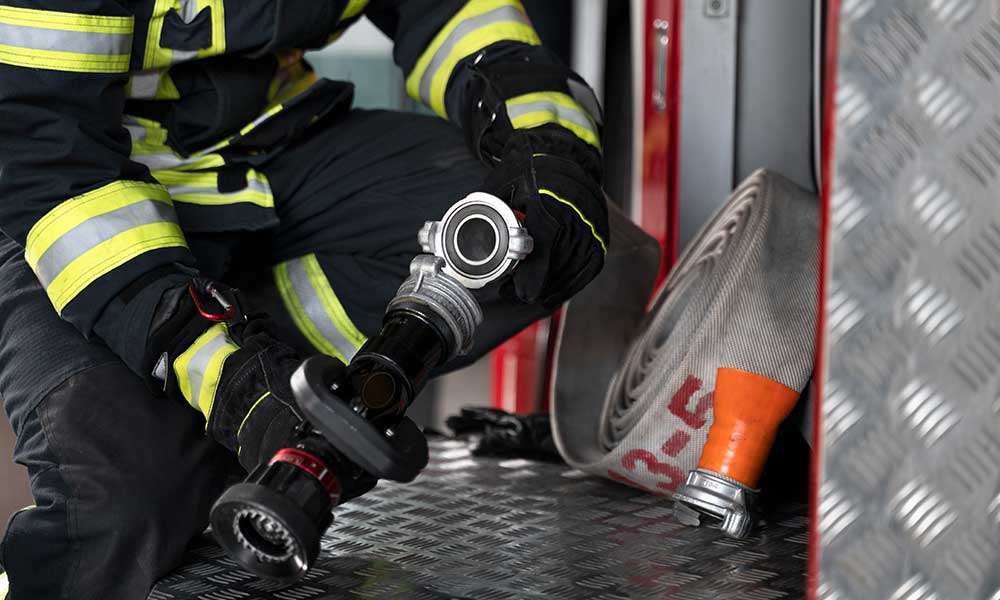
Every ship is equipped with a network of fire hydrants and hoses that allow crew members to tackle larger fires. These are connected to the ship’s water supply and can reach multiple areas quickly.
Maintenance Checklist:
- Conduct pressure tests to confirm adequate water flow.
- Inspect hoses for cracks, brittleness, or leaks.
- Lubricate hydrant valves to prevent them from seizing.
- Replace any damaged couplings or nozzles.
Proper training is vital—crew members should be comfortable deploying hoses quickly, even in rough sea conditions.
3. Fixed Marine Fire Suppression Systems
Fixed systems automatically detect and suppress fires without human intervention. These are essential for high-risk areas like engine rooms or cargo spaces. The most common types include:
- CO₂ Systems: Quickly displace oxygen to smother the fire.
- Foam Systems: Form a thick blanket over flammable liquids.
- Water Mist Systems: Cool flames and reduce heat effectively.
- Dry Chemical Systems: Neutralize fires caused by flammable gases and liquids.
Maintenance Checklist:
- Test control panels, alarms, and sensors monthly.
- Check CO₂ cylinder pressure and ensure seals are secure.
- Verify automatic activation mechanisms work properly.
- Conduct annual inspection and certification by licensed marine fire suppression system providers in the UAE.
These systems are often the backbone of onboard fire safety, so their reliability must never be compromised.
4. Fire Detection and Alarm Systems
An early warning system is essential to prevent fire escalation. Detectors identify smoke, heat, or gas buildup and trigger alarms throughout the vessel.
Maintenance Checklist:
- Test alarms weekly to confirm they sound clearly in all areas.
- Clean smoke and heat detectors regularly to avoid false alarms.
- Replace detector batteries as recommended by the manufacturer.
- Ensure all sensors are unobstructed and properly positioned.
Modern ships may also have integrated control panels that display the exact fire location—critical for fast response.
5. Fire Pumps and Emergency Fire Main Systems
Fire pumps are designed to deliver water under high pressure to hoses and hydrants across the vessel. Without properly functioning pumps, other systems become ineffective.
Maintenance Checklist:
- Run test operations weekly to ensure smooth functioning.
- Inspect for leaks, corrosion, or unusual vibrations.
- Check fuel, oil, and coolant levels in diesel-driven pumps.
- Verify that emergency fire mains are clear of obstructions.
Having a backup pump is a regulatory requirement on most vessels—it’s a safety net that ensures firefighting capacity even if one pump fails.
6. Fire Blankets and Portable Safety Gear
Fire blankets are invaluable for smothering small fires, particularly in galley areas. Along with protective clothing, gloves, and helmets, they form part of a ship’s essential safety kit.
Maintenance Checklist:
- Ensure fire blankets are stored in easily accessible, marked locations.
- Replace any that are torn or contaminated.
- Inspect protective gear for wear and tear.
- Train crew on how to use blankets and gear effectively.
It’s also smart to conduct regular fire drills where this equipment is put into practice.
7. Breathing Apparatus and Emergency Escape Sets
In a fire situation, smoke inhalation is a major risk. Breathing apparatus (BA) sets allow crew members to fight fires safely, while emergency escape breathing devices (EEBDs) help them evacuate through smoke-filled areas.
Maintenance Checklist:
- Check air cylinder pressure and refill as needed.
- Inspect masks and hoses for cracks or leaks.
- Confirm availability of enough EEBDs for all personnel.
- Service equipment annually through certified technicians.
Regular crew training is crucial so everyone knows how to don this gear quickly under pressure.
8. Lifesaving and Communication Equipment
Although not firefighting tools themselves, radios, alarms, and emergency lighting are vital during a fire emergency. They guide evacuation and ensure coordinated response efforts.
Maintenance Checklist:
- Test communication systems daily.
- Inspect emergency lighting and replace faulty bulbs.
- Keep backup batteries fully charged.
Clear communication can save lives in those critical first few minutes of a fire.
Conclusion
Marine firefighting equipment is not just about compliance—it’s about preparedness. Fires at sea escalate rapidly, and without reliable systems, lives and assets are at stake. Regular maintenance, periodic inspections, and professional servicing through trusted providers of marine fire suppression systems in the UAE are essential to ensure everything works when it matters most.
Staying proactive, well-trained, and equipped doesn’t just protect the vessel—it safeguards every life onboard.


Comments are closed