Subtotal $0.00


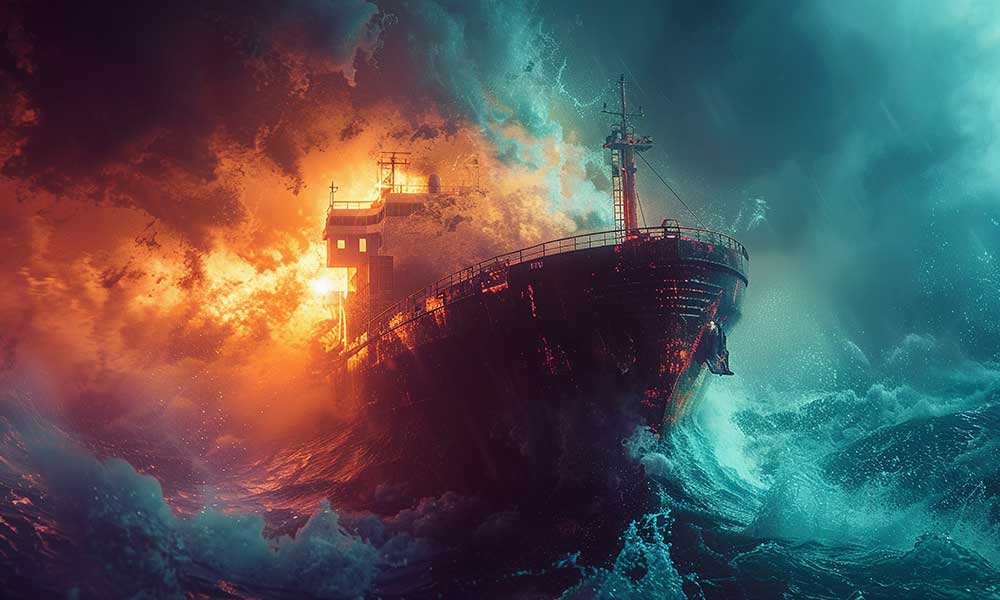
When it comes to maritime operations, fire is one of the most dangerous threats at sea. A small spark can quickly turn into a devastating blaze, especially in a confined environment like a ship. Despite the strict safety standards followed by shipping companies and safety marine services in the UAE, fire accidents still occur due to human error, technical faults, or negligence. Understanding the main causes—and knowing how to prevent them—is crucial for protecting lives, cargo, and vessels.
1. Electrical Faults and Overloaded Circuits
One of the leading causes of fires on ships is faulty or overloaded electrical systems. Poorly maintained wiring, short circuits, or damaged insulation can ignite combustible materials nearby. Many older vessels have outdated systems that can’t handle the load from modern electrical equipment, making them especially vulnerable.
Prevention Tips:
- Conduct regular electrical inspections.
- Replace damaged wires and connectors promptly.
- Avoid overloading sockets and ensure all electrical equipment is certified for marine use.
- Schedule periodic maintenance with certified marine safety service providers in the UAE to identify and fix potential hazards early.
2. Engine Room Fires
The engine room is often called the heart of the ship—but it’s also one of the most fire-prone areas. The combination of high temperatures, fuel, oil, and moving machinery creates a perfect storm for fire risks. Leaks in fuel lines or hot surfaces can easily cause ignition if not managed properly.
Prevention Tips:
- Keep the engine room clean and free from oil spills.
- Install and maintain fire detection and suppression systems.
- Train crew members to handle emergency shutdown procedures.
- Conduct routine maintenance to prevent fuel and lubricant leaks.
3. Galley (Kitchen) Fires
Cooking onboard involves open flames, hot oil, and electrical appliances—all potential fire hazards. Grease buildup, unattended cooking, or malfunctioning equipment are common triggers.
Prevention Tips:
- Ensure kitchen staff are trained in safe cooking practices.
- Clean exhaust ducts and cooking surfaces regularly.
- Keep fire blankets and extinguishers nearby.
- Never leave cooking unattended, especially during rough sea conditions.
4. Improper Storage of Flammable Materials
Many materials onboard ships—paints, cleaning solvents, and fuels—are highly flammable. When these are not stored correctly, even a minor spark can cause a massive fire.
Prevention Tips:
- Store flammable materials in designated, well-ventilated compartments.
- Label hazardous materials clearly.
- Keep them away from heat sources and direct sunlight.
- Follow international maritime safety standards for storage.
5. Welding and Hot Work Accidents
Hot work such as welding, cutting, or grinding can generate sparks and heat that ignite nearby materials. Many shipboard fires start because hot work was done without proper precautions.
Prevention Tips:
- Always issue a hot work permit before starting any such task.
- Clear the area of combustible materials.
- Use fire-resistant blankets and maintain a fire watch during and after work.
- Ensure the crew performing hot work is properly trained and supervised.
6. Smoking in Restricted Areas
Despite clear regulations, fires still start because of careless smoking. A cigarette butt thrown into a trash bin or near flammable materials can easily cause a fire.
Prevention Tips:
- Designate smoking areas away from fuel or cargo.
- Provide safe ashtrays and clearly mark “No Smoking” zones.
- Enforce strict penalties for violations.
7. Fuel and Oil Leaks
Leaking fuel or lubricating oil is a silent fire risk. These leaks often occur in engine rooms, pipelines, or near fuel pumps. When the leaked fluid contacts a hot surface, it can ignite instantly.
Prevention Tips:
- Inspect pipelines and joints regularly.
- Repair leaks immediately—no matter how small.
- Maintain good ventilation in fuel-handling areas.
- Use oil-absorbing materials to clean up spills quickly.
8. Static Electricity and Sparks
Static discharge may seem harmless, but in a ship environment—especially during refueling—it can be deadly. Vapors from fuels or chemicals can ignite with even a tiny spark.
Prevention Tips:
- Ground and bond all equipment during refueling.
- Avoid using mobile phones or other electronics near fuel areas.
- Train crew on static electricity hazards.
9. Machinery Overheating
Unmonitored machinery, such as pumps or generators, can overheat due to friction, poor lubrication, or overuse. Overheating components can ignite nearby combustible materials.
Prevention Tips:
- Monitor machinery temperature with alarms or sensors.
- Keep all equipment well-lubricated and maintained.
- Ensure cooling systems are fully functional.
10. Lack of Fire Safety Training
Even the best equipment can’t prevent fires if the crew doesn’t know how to respond. Many fire accidents escalate because of confusion, panic, or lack of training.
Prevention Tips:
- Conduct regular fire drills and emergency response training.
- Educate crew on using fire extinguishers and suppression systems.
- Partner with professional safety marine services in the UAE to organize onboard safety workshops.
Fire safety at sea depends on constant vigilance, proper maintenance, and a well-trained crew. Most shipboard fires are preventable with the right habits and systems in place. Regular inspections, adherence to international safety codes, and collaboration with experienced marine safety service providers in the UAE can make all the difference between a minor incident and a major disaster.
By prioritizing safety, investing in crew training, and maintaining high operational standards, ship operators can ensure safer voyages for everyone onboard.


Comments are closed